
Energy Solutions for Transit Buses
Talk to an Expert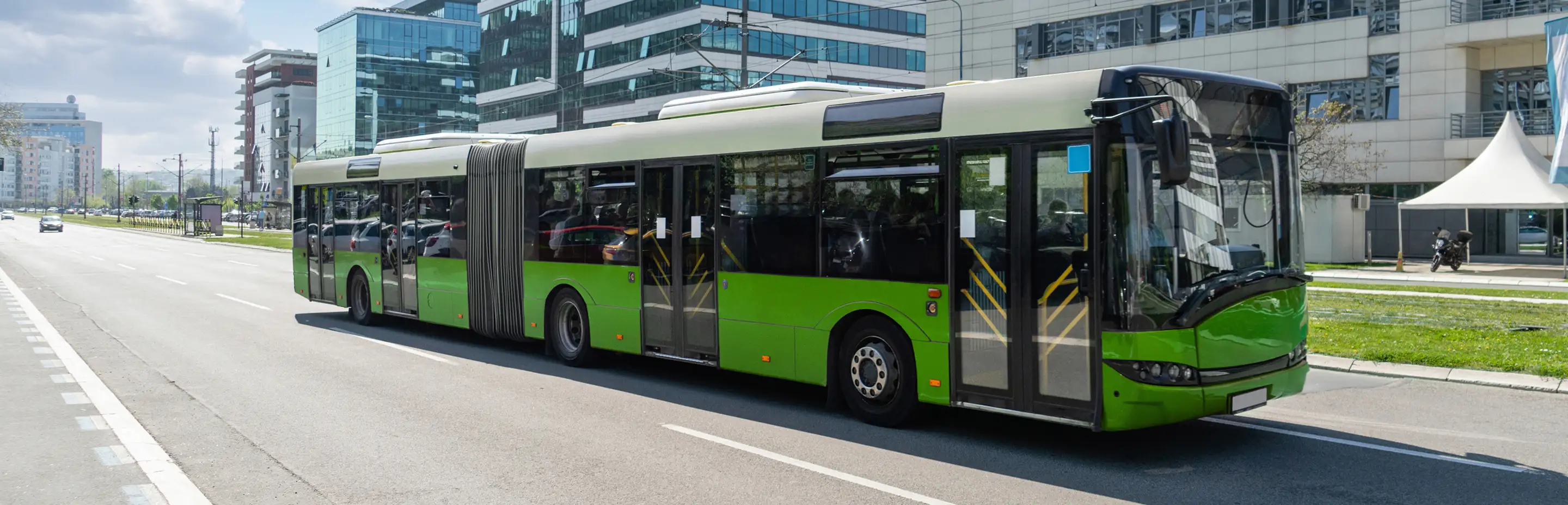
Making the switch to all-electric buses pays dividends for transit agencies in the form of quieter routes, cleaner air for passengers, and substantially lower fuel and maintenance costs per mile. But in order to realize these benefits, transit fleets must deploy smart strategies to keep public buses energized, on schedule, and on budget. This is where PowerFlex’s hardware-agnostic charge management system (CMS) can help.

Transit Fleet Energy Basics
- Electric buses draw several times the power of light-duty vehicles, often concentrating large demand into a single time window.
- If unmanaged, depot charging can multiply a site's peak demand and lead to expensive electrical upgrades.
- Smart EV charging and intelligent energy management, including integration with existing transit software systems, are essential for ensuring bus uptime while controlling costs.
- Charging assets are increasingly distributed across multiple garages and hubs that all have to be operated together.
- Solar and storage assets can serve part of a garage's load locally to reduce grid draw and prevent demand charges.
Why Transit Fleets Need a Different Strategy
For decades, fueling at a bus garage meant a fuel island and a delivery contract. Electrification replaces that arrangement with an electrical asset that has to be engineered, permitted, and maintained. A large garage can require several megawatts of service, with most electricity consumed in the hours between the evening pull-in and the morning pull-out.
Route schedules make that window less flexible than it appears; blocks are published months ahead and buses return in waves. Any bus can be assigned to any block, so charging has to be sequenced by departure time rather than by arrival order, and based on real-time information of vehicle-to-block assignments.
Energy demand also varies far more than it does across a light-duty fleet due to variations in vehicle efficiency: A hilly express route in January demands more energy than a flat local route does in the spring, once passenger loads and cabin heating are accounted for. Planning to the average leaves buses short on precisely the days service matters most.
An integrated approach gives transit agencies:

Charging sequenced to the pull-out board and dispatch plan, not the plug-in order

More predictable energy costs across rate periods and seasons

Flexibility to add buses without rebuilding the electrical service

Exportable data for incentive, board, and KPI reporting
How PowerFlex Supports Transit Agencies
PowerFlex delivers integrated energy solutions designed for the operational realities of transit fleet electrification.
ChargePilot® by PowerFlex
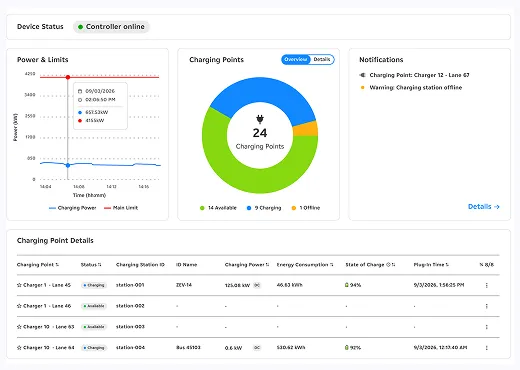
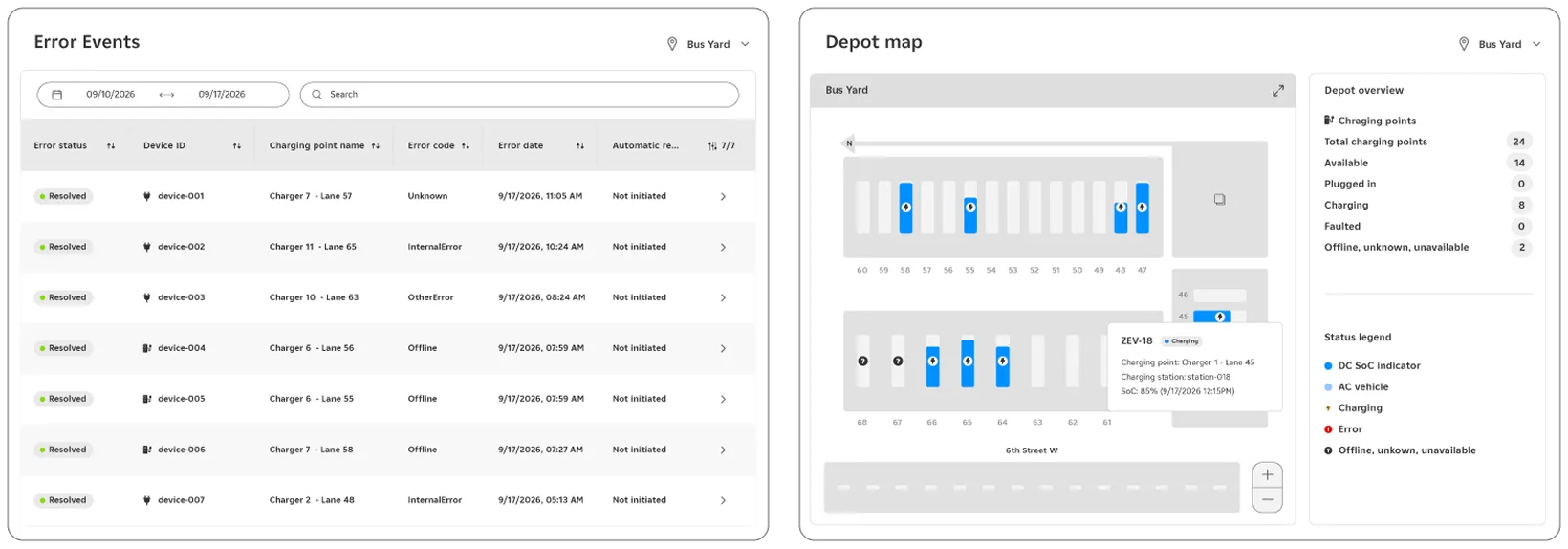
ChargePilot® by PowerFlex is a smart charge management system built specifically for bus fleets that easily integrates with existing fleet infrastructure to automate charging. Operators can monitor and control individual ports, manage schedules, and view bus location and status via a virtual Depot Map.

PowerFlex X
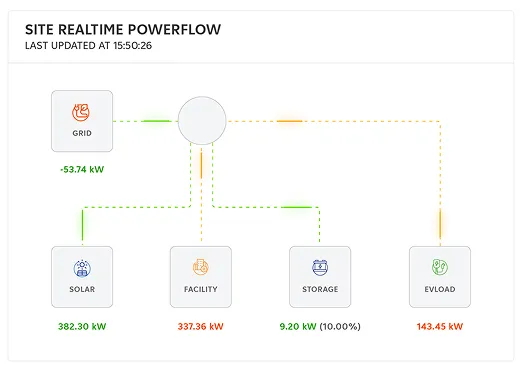
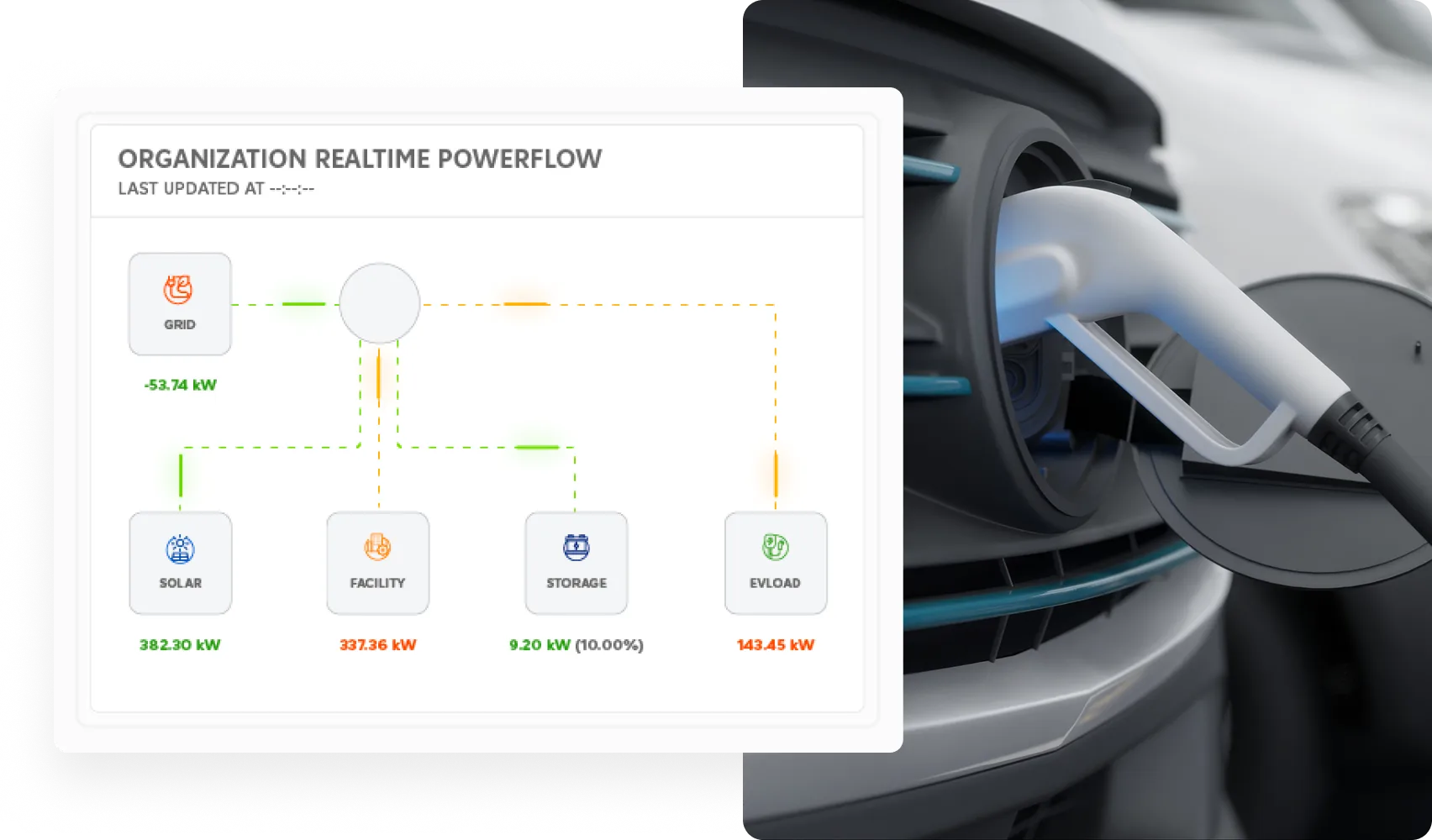
The PowerFlex X™ intelligent energy management platform monitors and co-optimizes EV charging in conjunction with facility loads, solar generation, and battery storage to reduce operating costs, improve efficiency, and support scalability as your fleet grows.
Smart EV Charging
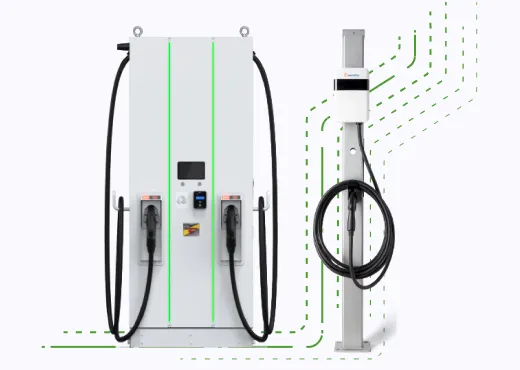
PowerFlex chargers use Adaptive Load Management® (ALM) to intelligently distribute available power across active charging stations in real time so agencies can deploy far more charging positions than a conventional design would allow without demand charges or upgrades.
Onsite Solar
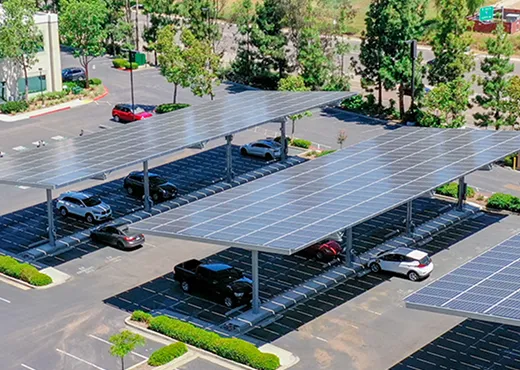
Solar offsets electricity usage and reduces dependence on grid power during high-cost periods. Ground-mounted and rooftop systems make productive use of space the fleet already occupies, while solar carports provide shade for parked vehicles and staff areas.
Battery Energy Storage
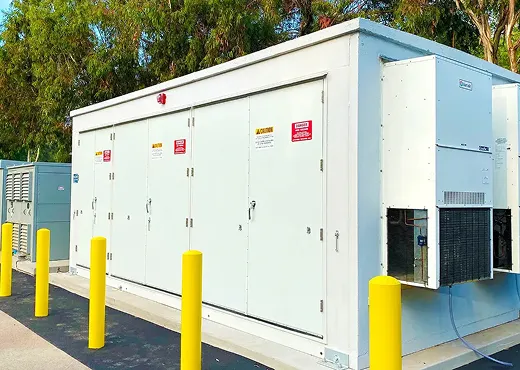
Adding battery storage helps transit agencies manage peak demand, capture excess solar generation, and improve depot resiliency. Stored energy can be dispatched to shave spikes when many vehicles charge at once.
Vehicle-Grid Integration
With VGI technology, PowerFlex turns idle fleet vehicles into energy storage assets, allowing depots to participate in utility programs such as demand response that compensate customers for dispatching energy to the grid.

Where PowerFlex Delivers Value
With best-in-class charge management software, PowerFlex optimizes and automates transit fleet operations to ensure completed routes, manage costs, and support reporting requirements.
Software Ecosystem Integration
ChargePilot® by PowerFlex connects with the scheduling, dispatch, depot management, and telematics systems fleet operators already use through open, standards-based interfaces. This means block assignments, departure times, and target state of charge all feed into the charge management system automatically.
Run Charging Infrastructure Virtually
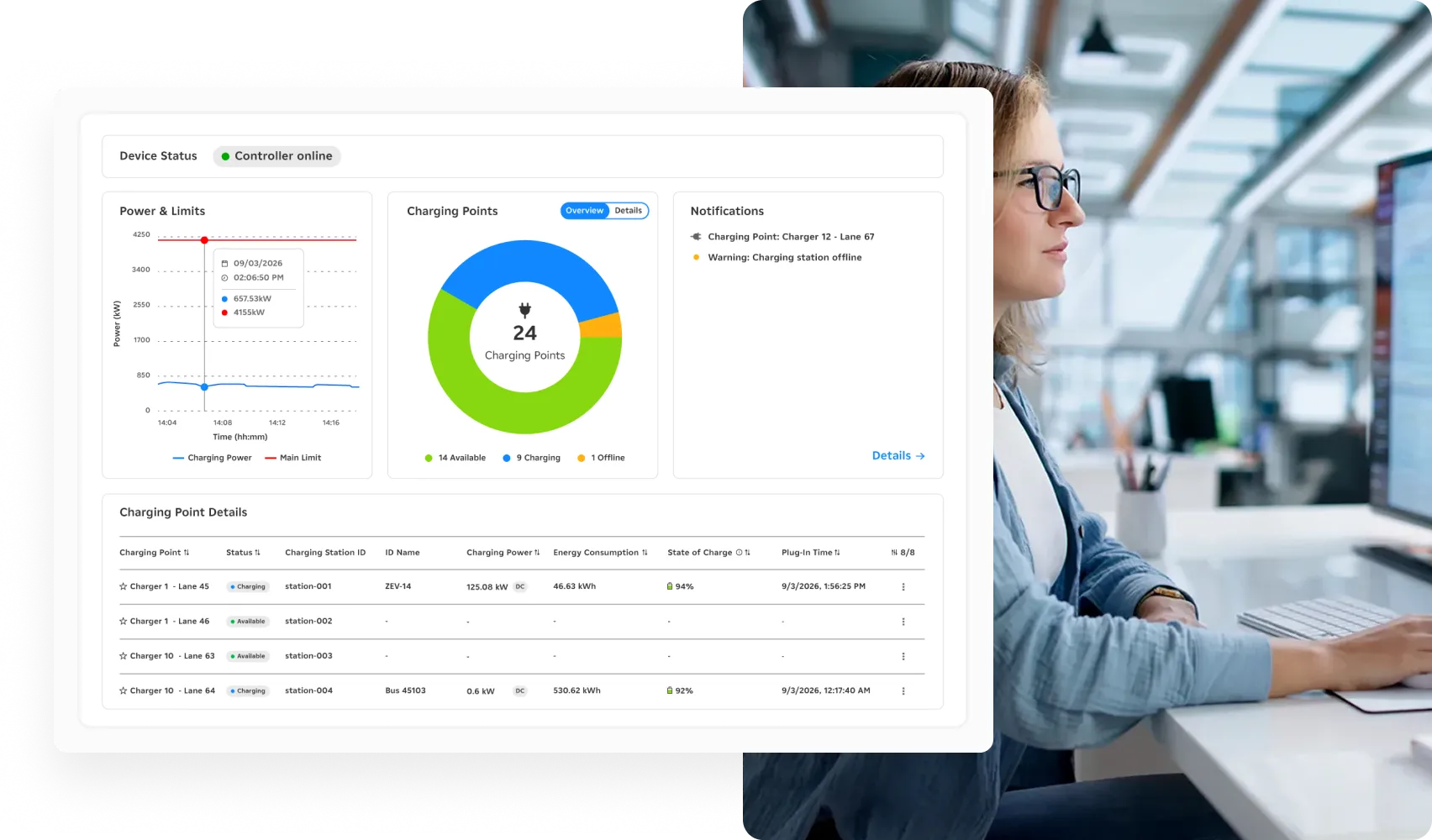
Continuous software monitoring watches every station for faults, detects them as they occur, and lets staff restart a charger remotely instead of dispatching a technician across the yard. An intuitive Depot Map lets managers visualize vehicle location and state of charge within the garage, providing at-a-glance visibility.
Standardize Across Chargers and Sites
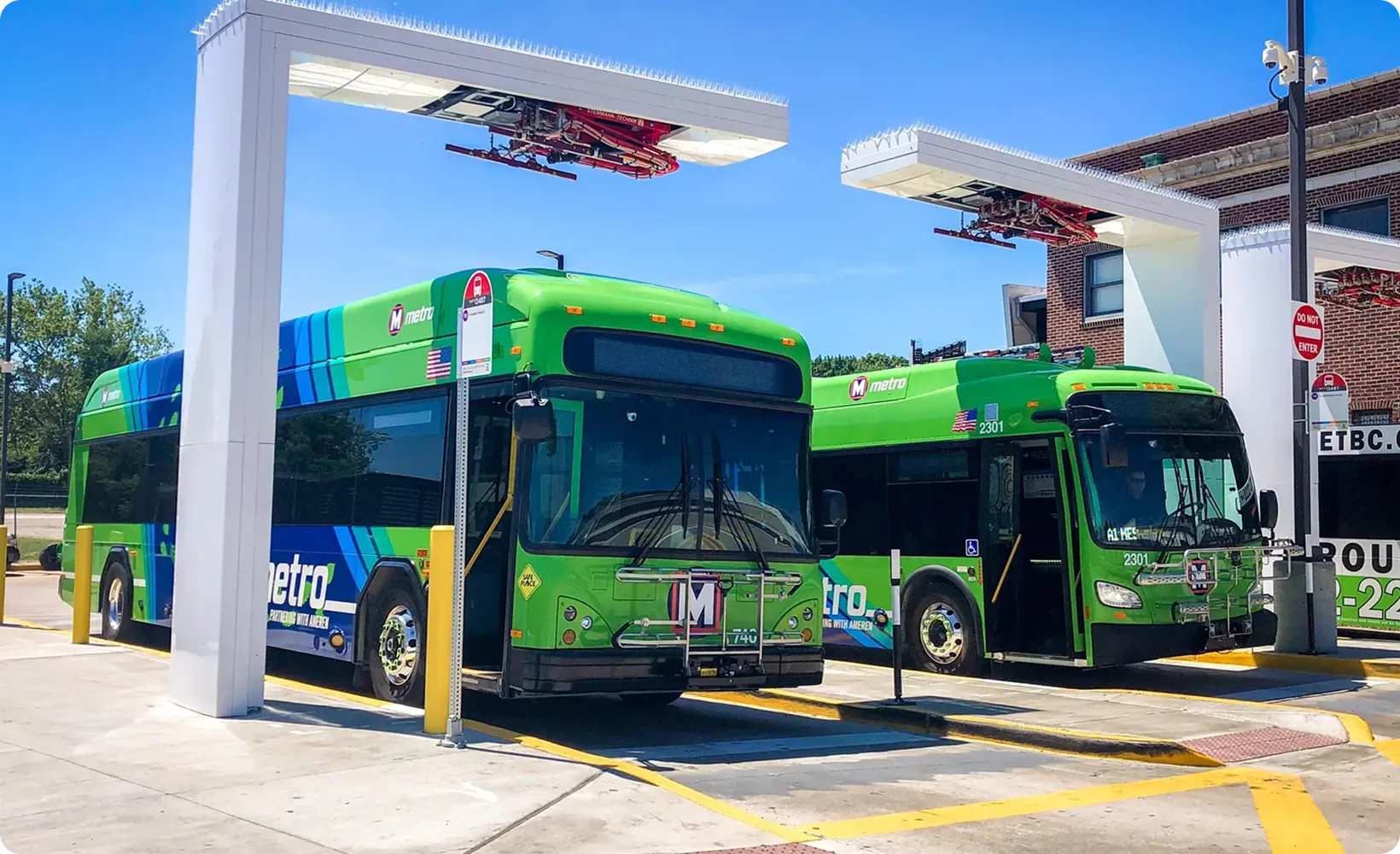
PowerFlex uses OCPP to interoperate with multiple brands and types of charging infrastructure such as pantographs on high-cycle blocks, plug-in DC Fast Charging in the yard, and Level 2 stations for support vehicles. This way, bus fleets across sites can run on one software system regardless of who supplied the equipment.
Protect Capital and Operating Budgets
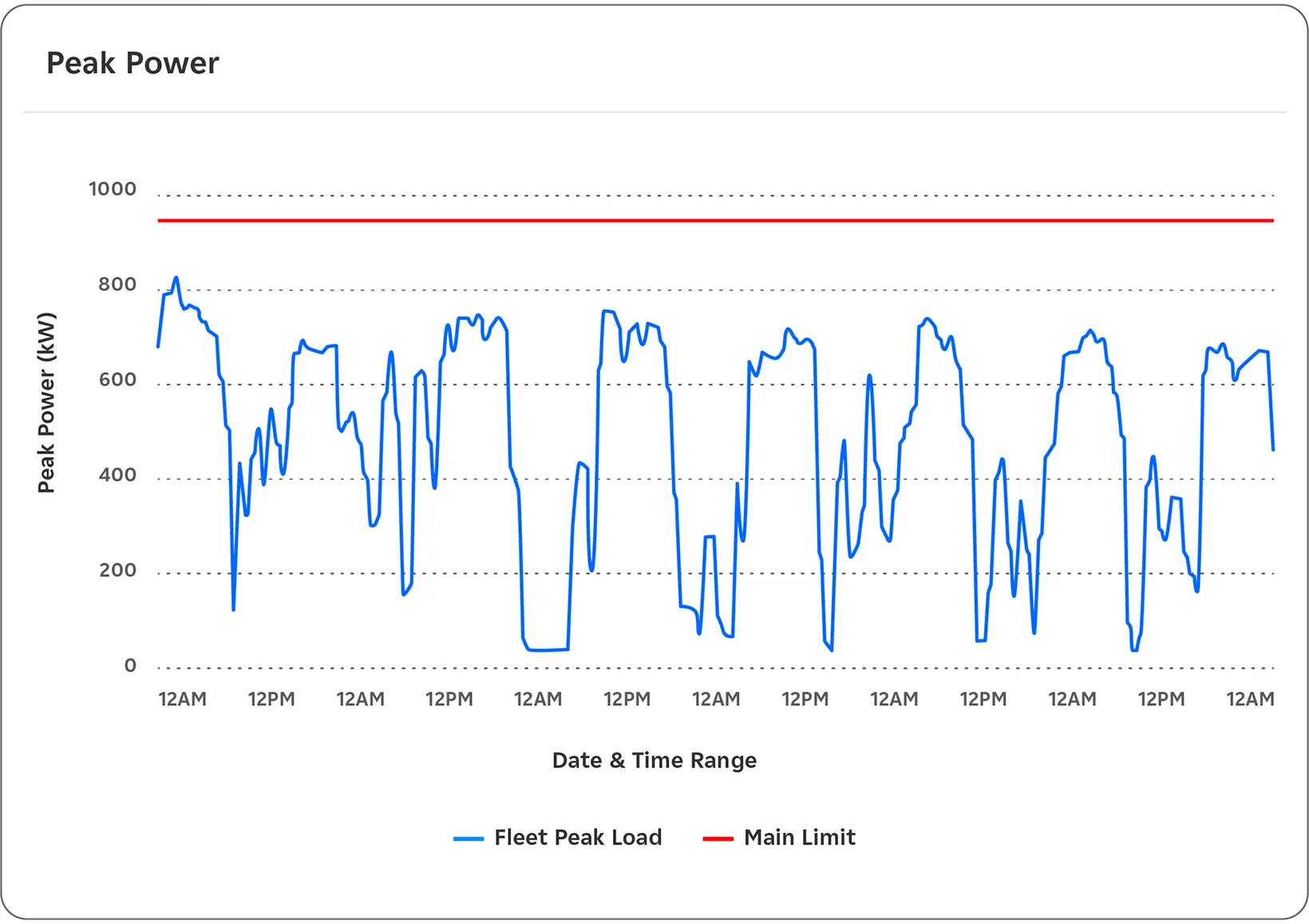
One of the largest, minimizable costs in bus electrification is the utility upgrade. EV load management keeps a garage's power draw beneath its existing service limit, reducing capital expense at the outset. Charge sessions are then shifted toward the lowest electricity rate periods to contain operating expenses for the life of the charging assets.
Manage Assets and Get Support
We offer comprehensive services that ensure the long-term functionality and performance of your system well past the point of installation, including: asset management, operations and maintenance, remote response, driver support, and software enhancements and updates.
Pull Data On Demand
Detailed reporting is available down to the individual bus: energy consumed, charging costs, emissions avoided, and more. Agencies can export from the platform or push data to their existing dashboards and reporting systems via open APIs. This supports grant reporting, board presentations, and carbon-credit programs without manual reconciliation across platforms.
Meet Zero-Emission Commitments
Transition plans set targets years in advance, and agencies are accountable for demonstrating progress. Integrated EV charging, solar, and storage assets move the fleet toward those targets while producing the data funders, regulators, and riders expect.
Cooperative Purchasing With Sourcewell
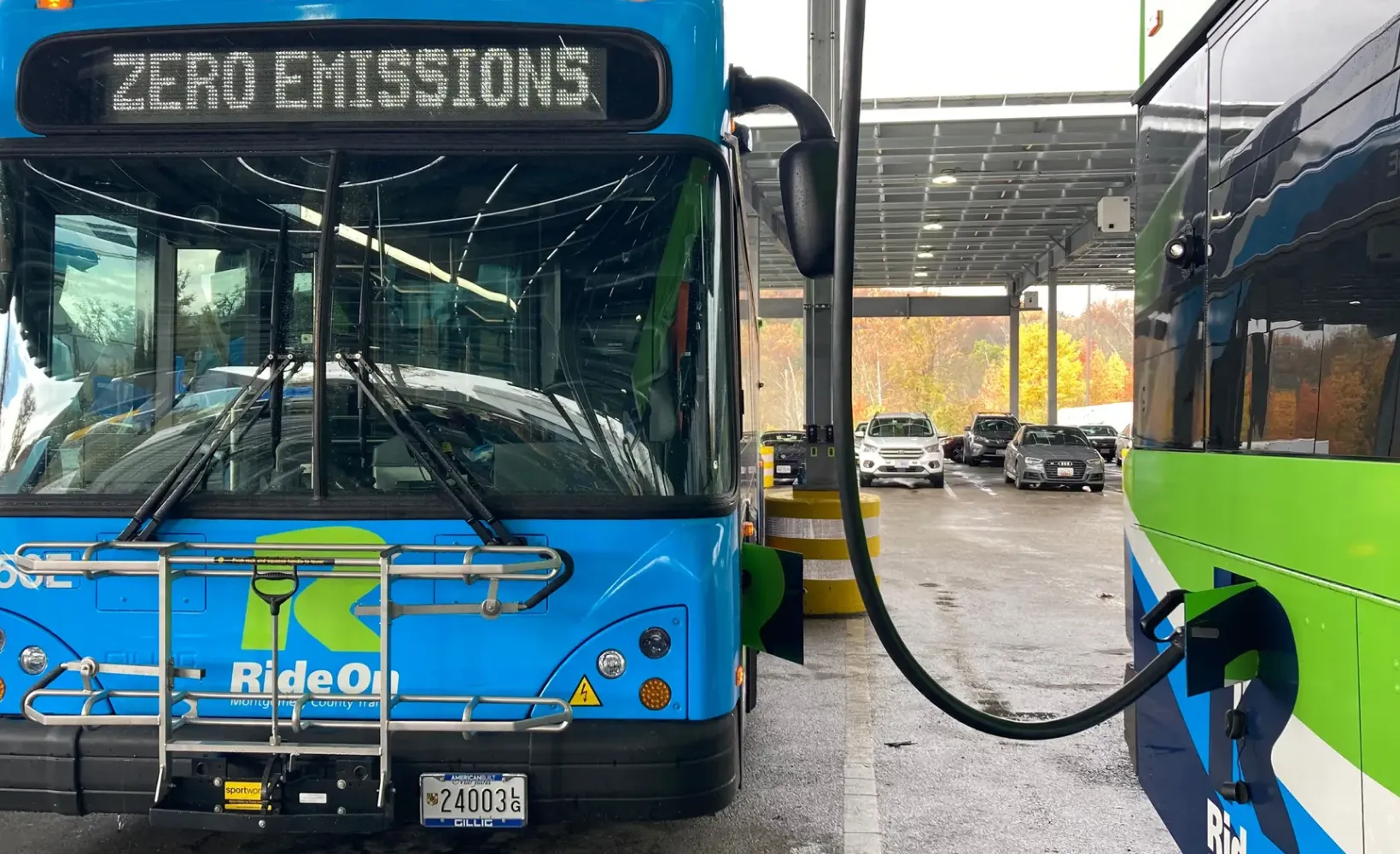
Government, education, municipalities, and nonprofit agencies looking to electrify their fleets can enjoy streamlined procurement of charging infrastructure with preferred pricing through our Sourcewell awarded contract.
Get in Touch to Learn MoreWho We Help
PowerFlex works with transit agencies and contracted operators across a wide range of site profiles and organizations.

Fleet Types
- Bus depots and operating garages
- Transit centers and layover facilities
- On-route and terminus charging locations
- Maintenance and administrative campuses
- Park-and-ride and multimodal hubs

Key Stakeholders
- Fleet and maintenance managers
- Facilities and operations teams
- Sustainability leaders
- Capital planning and procurement
- Service and dispatch teams
- Agency leadership and boards
Key Considerations for Transit Projects
Electrifying transit bus operations comes with many considerations, and the charge management system an agency selects shapes how well the rest of the program holds together. These are the capabilities worth evaluating before committing.

Schedule-Aware Charging
Route length, dwell time, and shift patterns determine how much energy each bus needs and when. A charge management system should accept those schedules by API or manual entry, sequence sessions by departure time and target state of charge rather than plug-in order, and re-sequence automatically when service changes.

Load Management Under Real Site Constraints
Shop, bus wash, HVAC, and yard lighting loads shift throughout the day, so a garage’s available headroom is never a fixed number. Evaluate whether the system manages against a live site limit rather than a static schedule, and whether onsite control keeps optimizing if the cloud connection drops.

Yard Layout and Charger Assignment
Staff move buses through washing, servicing, and staging throughout the night. Charge management systems need to account for diverse layouts in their charging optimization — which chargers a given bus can reach, which are shared across rows, and how power is reallocated when a bus parks somewhere other than planned.

Hardware Independence and Open Standards
Most agencies end up with mixed hardware of varying charging levels and brands. Writing OCPP compliance into procurement specifications keeps the software layer independent of any single supplier so chargers can be added or replaced without changing systems.

Integration With Existing Transit Software
A charge management system that cannot talk to scheduling, dispatch, and depot management tools creates duplicate data entry and a second source of truth. Ask which standards and interfaces a vendor supports, whether integration is bidirectional, and how block assignments and state of charge move between systems without manual intervention.

Usability, Training, and Support
The system will be used daily by dispatchers, maintenance staff, and operators. Consider how much training the platform requires, what onboarding is provided, how faults are surfaced and escalated, and what remote support is available when something goes wrong before a morning pull-out.
Public Fleets Partnering With PowerFlex
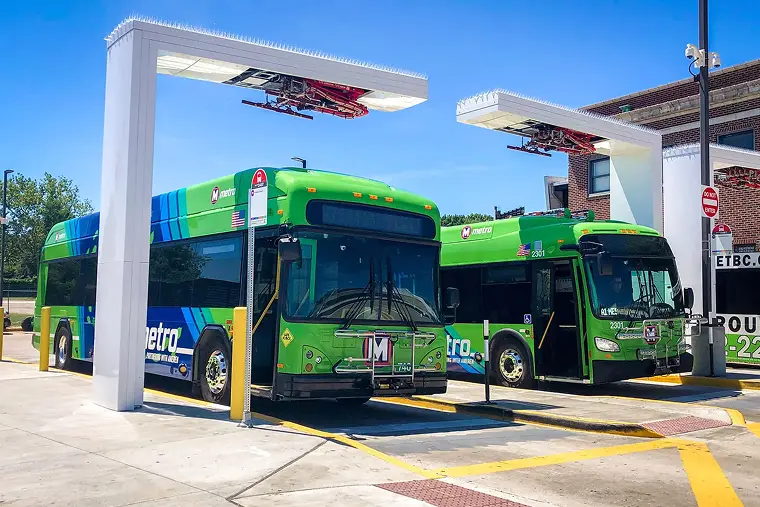
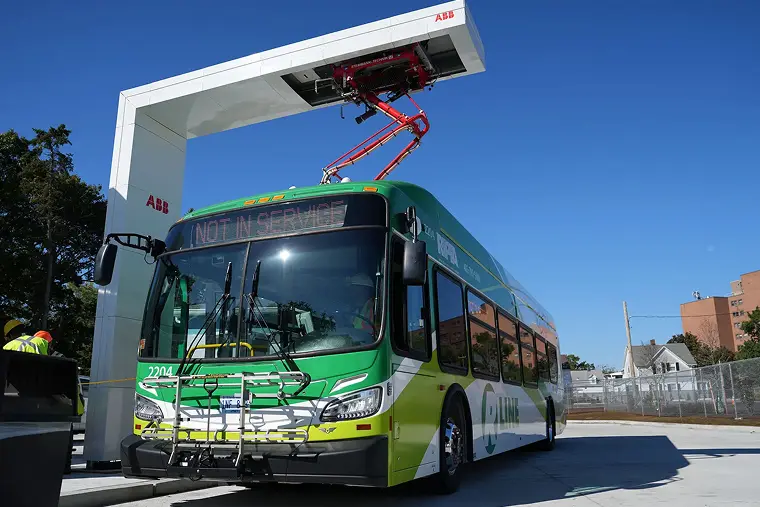
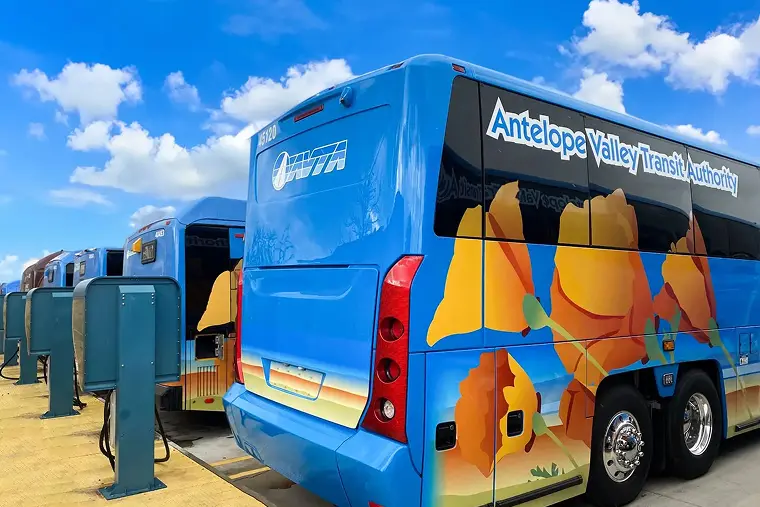
PowerFlex is proud to support public agencies and institutions electrifying some of the most demanding fleet operations today.





EV Chargers Under Management

Electric Miles Provided
Frequently Asked Questions
Can we add fleet charging without upgrading our electrical service?

Can charging operations at different locations be managed in one system?
Will charging follow our pull-out schedule rather than the order buses plug in?
Will PowerFlex work with the chargers we already have or plan to buy?
What data can we pull for reporting?
Are there incentives available for fleet charging infrastructure?
Electrify Your Transit Fleet With Confidence
PowerFlex helps transit agencies deploy EV charging, solar, storage, and software solutions that enhance service readiness, control energy costs, and scale as electrification accelerates. Talk to an expert today to learn more.