
Energy Solutions for Commercial Fleets
Talk to an Expert
The benefits of converting commercial fleet vehicles from gas to electric are clear: reduced operating costs, lower emissions, and improved regulatory compliance. But if energy operations aren’t managed effectively at the depot, the benefits of fleet electrification can quickly become burdens. With a full suite of integrated energy solutions, PowerFlex helps keep fleet vehicles moving while improving financial, operational, and environmental outcomes.

Commercial Fleet Energy Basics
- Route readiness hinges on the reliable, coordinated charging of electric fleet vehicles.
- If unmanaged, depot charging can multiply a site's peak demand and lead to expensive electrical upgrades.
- Demand charges and time-of-use rates can negate electrification benefits by eroding fuel savings.
- Smart EV charging and intelligent energy management are essential for ensuring vehicle uptime while controlling costs.
- Onsite solar and battery energy storage can offset site consumption, shave peaks, and further reduce emissions.
Why Commercial Fleets Need a Different Strategy
A fleet depot does not behave like a typical commercial property. Whereas an office or retail site draws a gradual load across business hours, a depot’s profile is marked by sharp, concentrated periods of additional consumption when vehicles are charging. This can trigger excessive demand charges and require electrical infrastructure upgrades as the fleet expands.
Complicating matters, charging must be coordinated around route schedules and duty cycles. This is especially critical for distributors and last-mile delivery operations where late or missed routes are non-negotiable. Vehicles leaving the depot earlier must be charged ahead of those dwelling for longer periods of time — and in cases of tight turnarounds, some EVs may need to quickly top up and return right back to the road.
A more integrated approach helps electrified fleets:

Keep vehicles route-ready with dependable, prioritized charging

Reduce exposure to demand charges and volatile utility pricing

Electrify more vehicles without oversizing electrical infrastructure

Align fleet investments with fuel-cost, compliance, and sustainability goals
How PowerFlex Supports Commercial Fleets
PowerFlex delivers integrated energy solutions designed for the operational realities of fleet electrification.
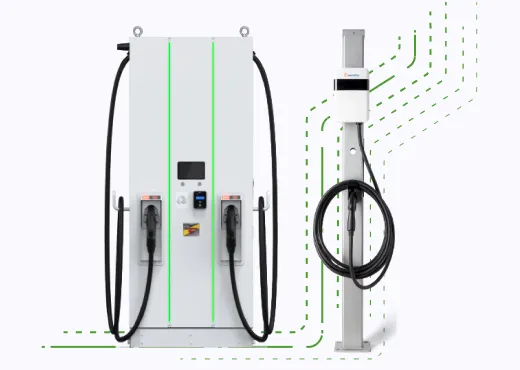
Smart EV Charging
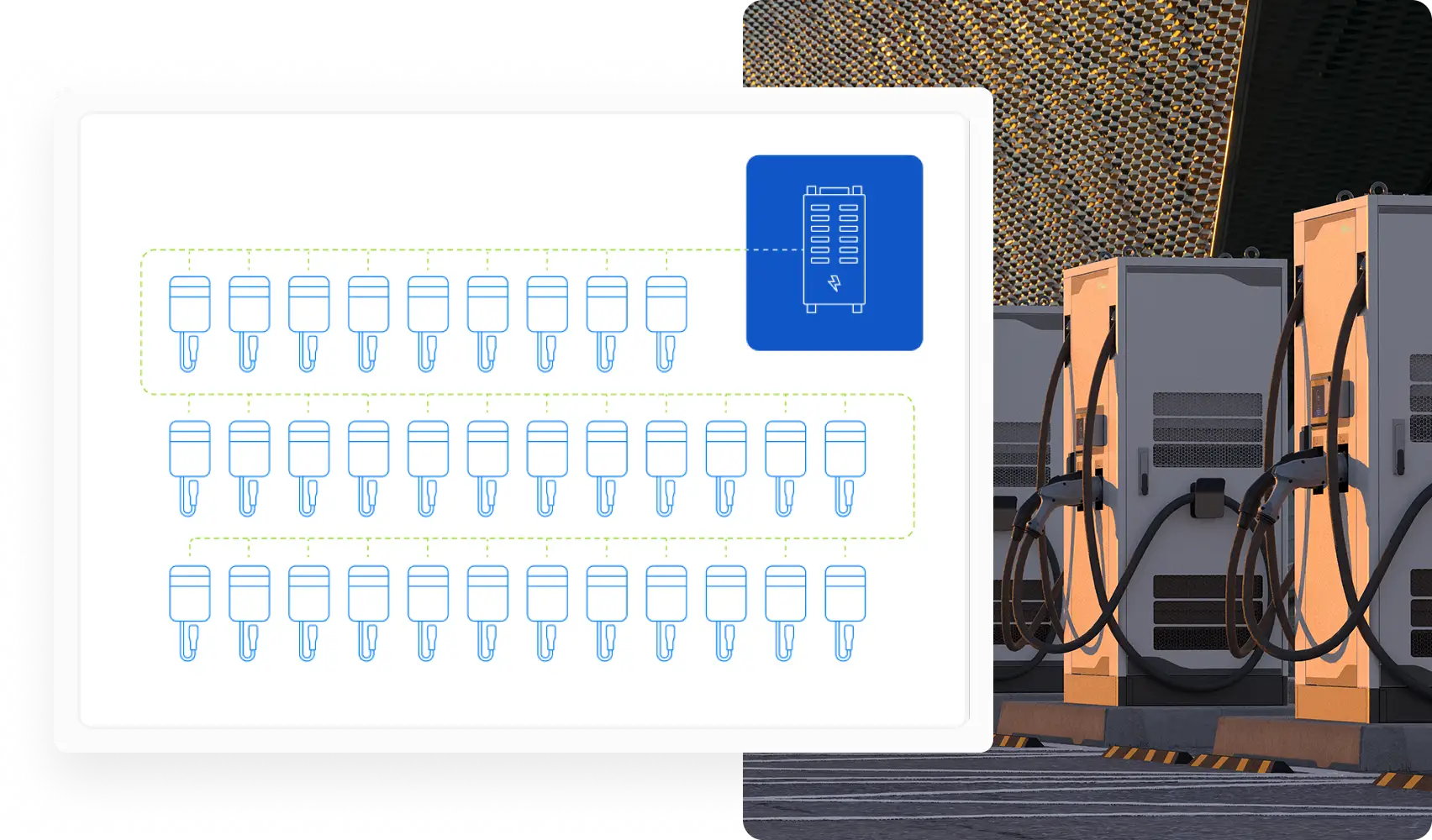
PowerFlex uses Adaptive Load Management® (ALM) to intelligently distribute available power across active charging stations in real time, so operators can deploy far more charging ports than a conventional design would allow — without demand charges or upgrades.

Onsite Solar
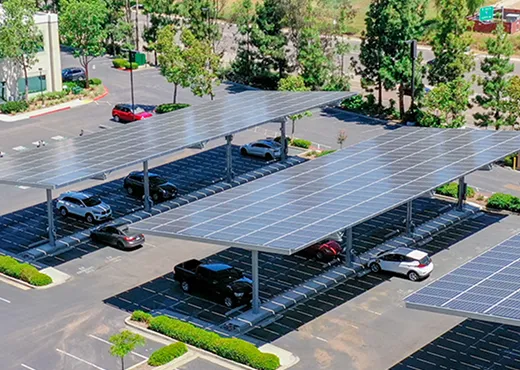
Solar offsets electricity usage and reduces dependence on grid power during high-cost periods. Ground-mounted and rooftop systems make productive use of space the fleet already occupies, while solar carports provide shade for parked vehicles and staff areas.
Battery Energy Storage
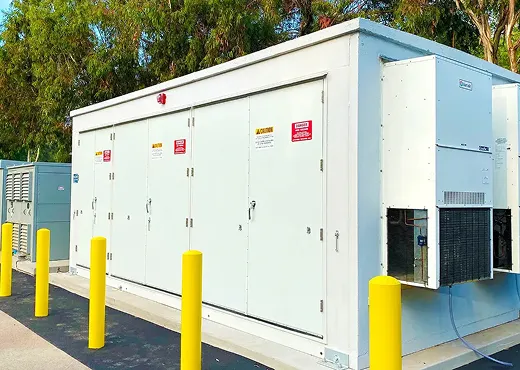
Adding battery storage helps fleets manage peak demand, capture excess solar generation, and improve depot resiliency. Stored energy can be dispatched to shave spikes when many vehicles charge at once.
Vehicle-Grid Integration
With VGI technology, PowerFlex turns idle fleet vehicles into energy storage assets, allowing depots to participate in utility programs such as demand response that compensate customers for dispatching energy to the grid.

PowerFlex X
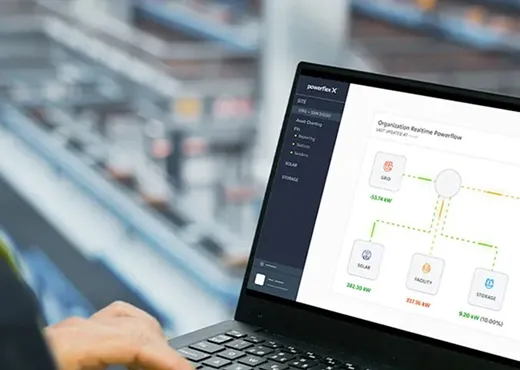
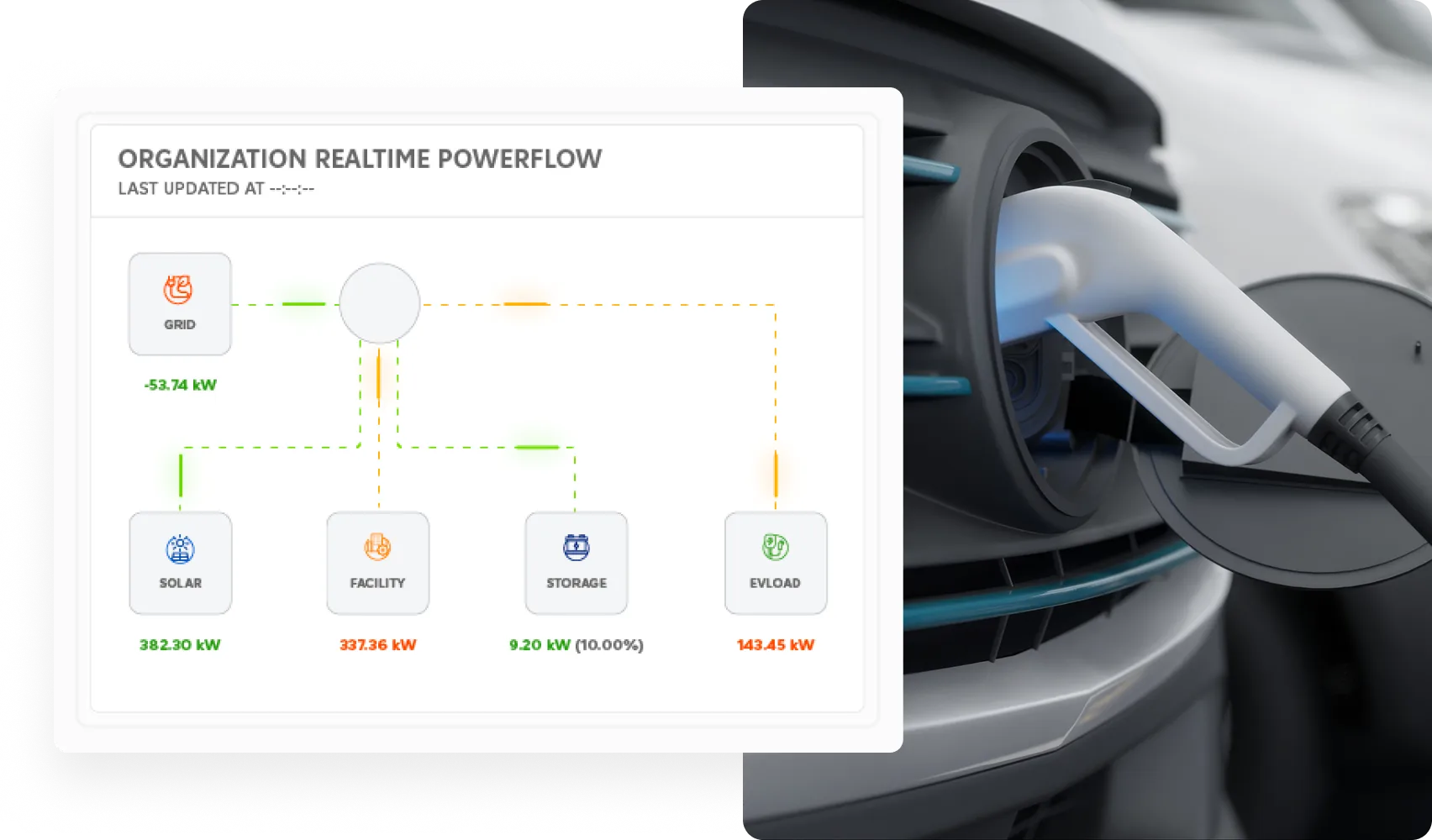
The PowerFlex X™ intelligent energy management platform monitors and co-optimizes EV charging in conjunction with facility loads, solar generation, and battery storage to reduce operating costs, improve efficiency, and support scalability as your fleet grows.
PowerFlex X Fleet+
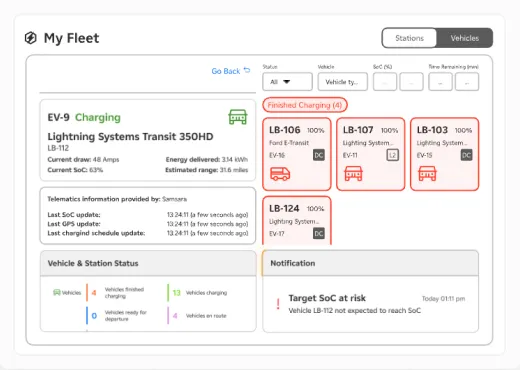
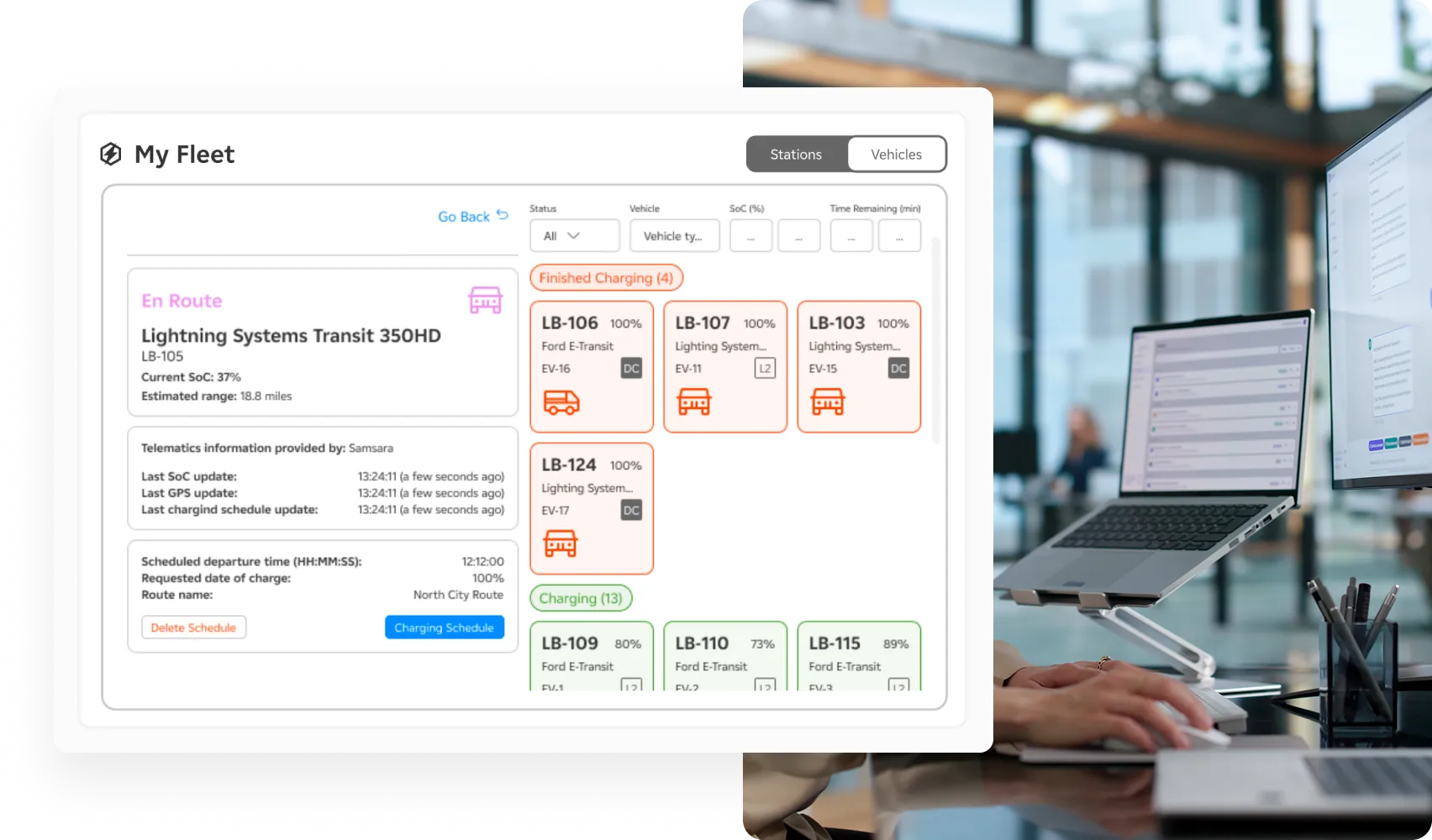
With the Fleet+ add-on within PowerFlex X, fleet managers can upload and manage charging schedules, view vehicle status inside and outside the depot, remotely control chargers, and more from a single digital portal.
Where PowerFlex Delivers Value
PowerFlex helps fleet operators address the infrastructure and energy challenges that most often slow electrification down.
Contain Charging Costs
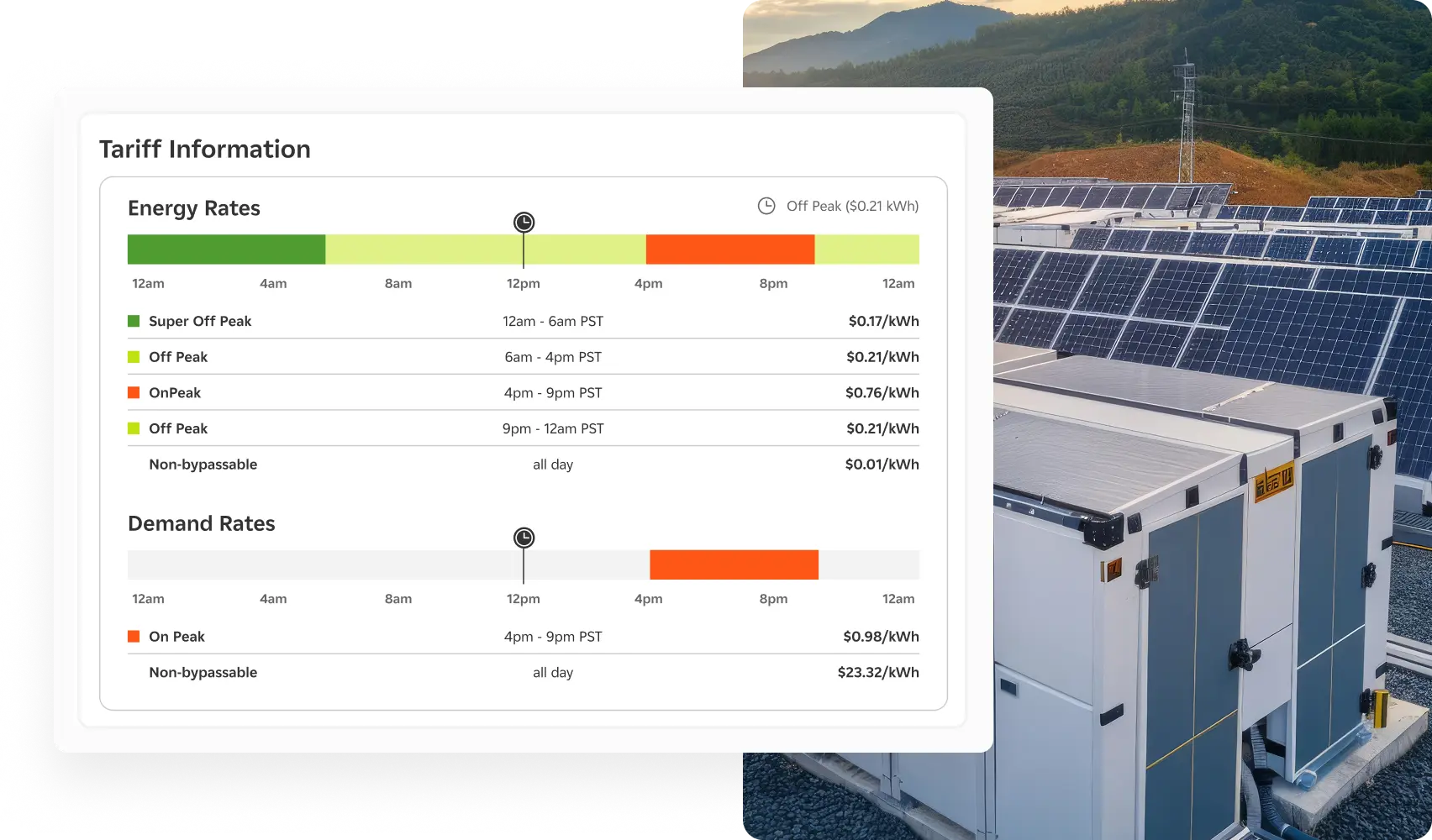
Fleet charging concentrates demand, which drives up commercial utility bills. PowerFlex helps operators make the most of existing grid infrastructure to minimize capital cost, then coordinates charging, solar generation, and storage dispatch to shave peaks and shift load away from expensive rate periods.
Scale Without Overbuilding
Limited site capacity is a significant barrier to fleet charging deployment. Adaptive Load Management® lets fleets add ports within existing electrical constraints, reducing the likelihood of a costly service upgrade and the interconnection delay that comes with it.
Protect Charger Uptime and Vehicle Readiness
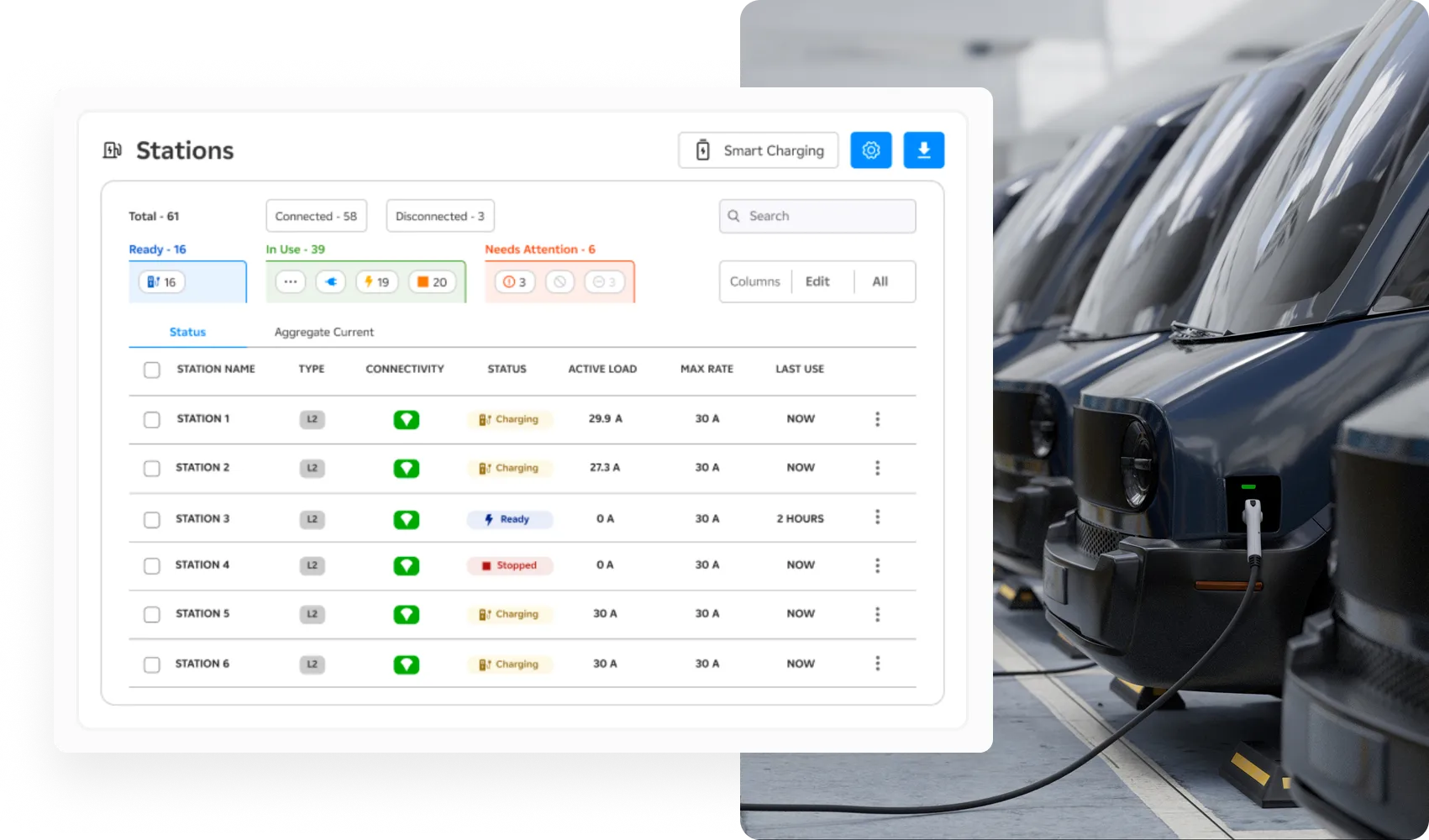
Offline chargers lead to incomplete routes and business losses. Transparent charger monitoring digs into station status, charging speed, and wireless connectivity while error monitoring and remote resolution address issues before they escalate.
Prevent Vendor Lock-In
Hardware needs differ by site and change over time. PowerFlex X uses the latest OCPP 2.0.1 communication standard to interoperate with major charger brands across Level 2 and DC Fast Charging. Fleets can mix and match charger OEMs to suit each depot's needs and budget, then add or swap hardware later.

Simplify With Plug & Charge
Drivers shouldn't have to manage RFID cards or apps to start a shift. That’s why PowerFlex supports ISO 15118 (Plug & Charge), letting any supported vehicle authenticate automatically at any supported charger. Each session ties to a digital certificate, so managers see exactly which vehicle charged where — without manual tracking.

Leverage Integrated Telematics
PowerFlex X with Fleet+ integrates with trusted telematics providers like Samsara and Geotab, giving operators complete visibility into vehicle state of charge, estimated range, exact route location, and other data points.
Take Remote Control of Your Charging
Do more without even setting foot in the garage with remote controls. Single-sign-on software lets you set charging thresholds for load management, perform firmware updates, and remotely start, stop, and restart charging stations.

Manage Assets and Get Support
We offer comprehensive services that ensure the long-term functionality and performance of your system well past the point of installation, including: asset management, operations and maintenance, remote response, driver support, software enhancements and updates, and more.
Meet Sustainability and Compliance Goals
Fleets are under growing pressure to cut emissions and document measurable progress. Integrated clean energy assets support carbon reduction strategies and produce the consumption and generation data needed for internal and external ESG reporting.

Who We Help
PowerFlex works with fleet operators across a wide range of vehicle types, duty cycles, and organizations.

Fleet Types
- Last-mile delivery and parcel fleets
- Logistics, distribution, and trucking operations
- Utility, telecom, and field service fleets

Key Stakeholders
- Fleet and depot managers
- Facilities and operations teams
- Sustainability leaders
- Dispatch teams and drivers
- Capital planning and procurement
- Executive leadership
Why a Single-Provider Strategy Matters
Fleet electrification is challenging when the work is spread among multiple companies. A fragmented approach creates disconnected data, misaligned system design, and more work for internal teams that are already juggling a lot.
By partnering with PowerFlex, fleet operators benefit from:
A coordinated design and deployment process built around real duty cycles
One partner across planning, construction, and ongoing asset management
Integrated co-optimization across charging, solar, and storage assets
A future-ready platform that can scale with site demand over time
Solutions built for your needs: from charging analyses and hardware/software-only sales to turnkey jobs that encompass the entire project lifecycle
Key Considerations for Commercial Fleets
Deploying charging infrastructure at a working depot requires careful planning and engineering. These are the capabilities worth evaluating before committing to a provider.

Vehicle Demand and Charging Windows
Route length, dwell time, and shift patterns determine how much power each vehicle needs and when. Modeling real schedules as part of a charging simulation helps identify solutions that will provide the requisite power while minimizing costs.

Electrical Capacity and Load Profile
Fleet charging can represent the majority of a site’s total load. Understanding how new charging, solar, and storage assets interact with existing building and equipment loads is essential to sizing the system correctly.

Site Design and Interconnection
Successful deployment of a large-scale fleet charging system depends on yard layout, vehicle circulation, cable management, utility coordination, and a realistic interconnection timeline. Early planning avoids delays and reduces rework.

Charger Selection and Interoperability
Depots frequently mix Level 2 and DC Fast Charging, and hardware needs can evolve. An open, standards-based platform that leverages OCPP and works across major charger OEMs keeps future options open. Specifying ISO 15118 capability is important too, since it determines whether Plug & Charge can be enabled later without replacing equipment.

Operational Continuity
Construction has to happen around an active fleet yard. Phasing, temporary parking, emergency access, and vehicle circulation all need to be accounted for during installation and ongoing use.

Cybersecurity and Controls
As connected charging and energy systems become more sophisticated, secure controls and enterprise-grade software architecture become critical to protecting operational data and maintaining confidence in system performance.
Commercial Fleets Partnering With PowerFlex
PowerFlex is proud to support organizations electrifying some of the most demanding fleet operations today.






EV Chargers Under Management

Electric Miles Provided
Frequently Asked Questions
Can we add fleet charging without upgrading our electrical service?

Can PowerFlex support multiple depots using one system?
Will charging be scheduled around our routes and departure times?
Will PowerFlex work with the chargers we already have or plan to buy?
Does PowerFlex integrate with our telematics or fleet management system?
Are there incentives available for fleet charging infrastructure?
Electrify Your Commercial Fleet With Confidence
PowerFlex helps fleet operators deploy EV charging, solar, storage, and software solutions that enhance vehicle readiness, control energy costs, and scale as electrification accelerates. Talk to an expert today to learn more.