
Solutions
Vehicle-Grid Integration (VGI)

Driving us toward a zero-emission, zero-cost future
PowerFlex brings the benefits of Vehicle-Grid Integration to electric fleets while enabling fast and flexible utility interconnections in power-constrained areas.
Talk to an Expert
EV Load Aggregation
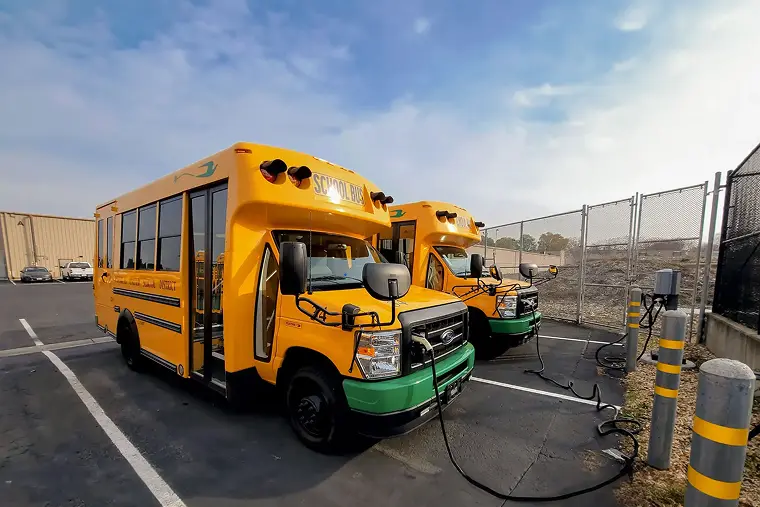
PowerFlex has developed the most versatile EV Load Aggregation capability in North America, allowing bidirectional charging and discharging optimizations across a variety of charger and vehicle asset classes — from home chargers to electric school bus fleets.
Contact Us to Learn More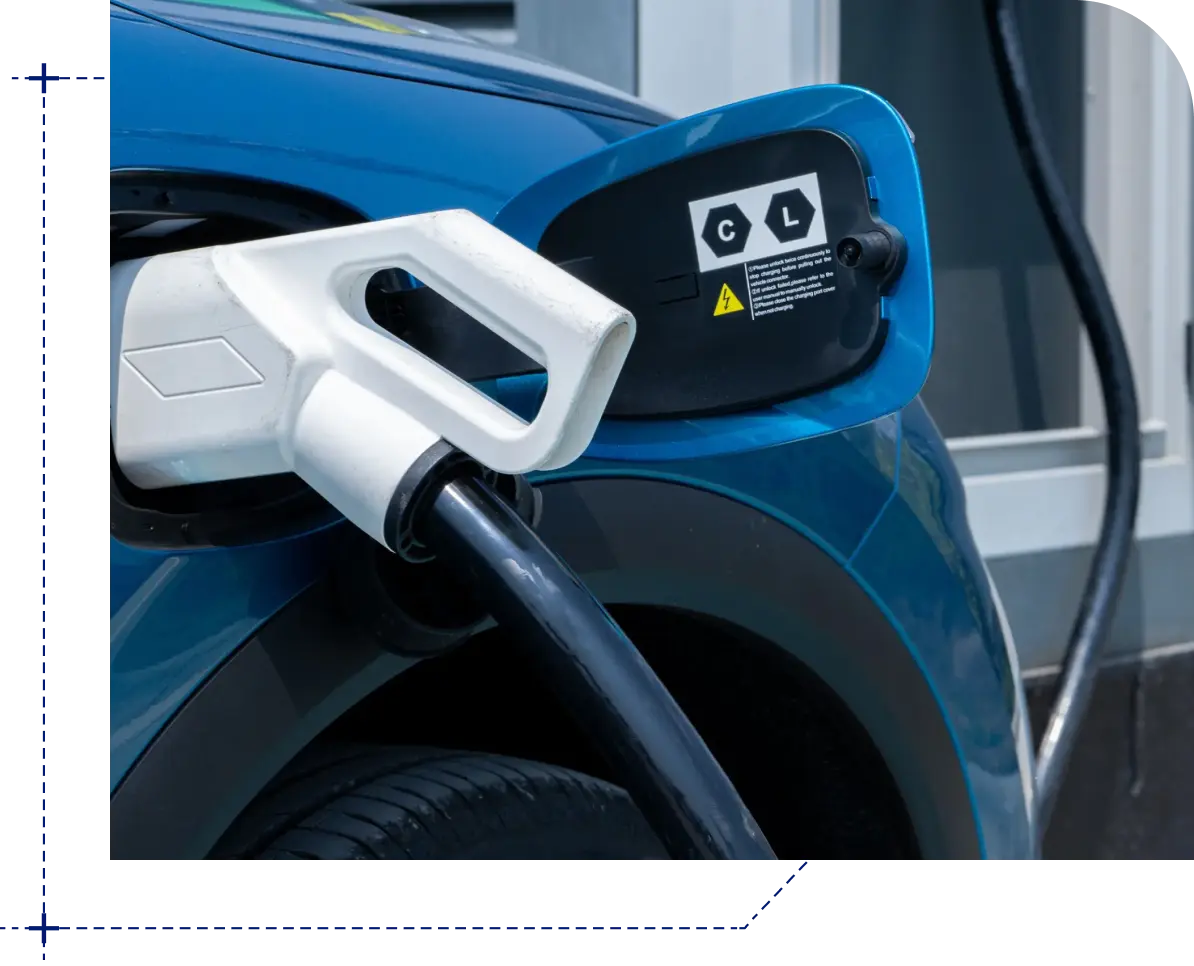
How It Works
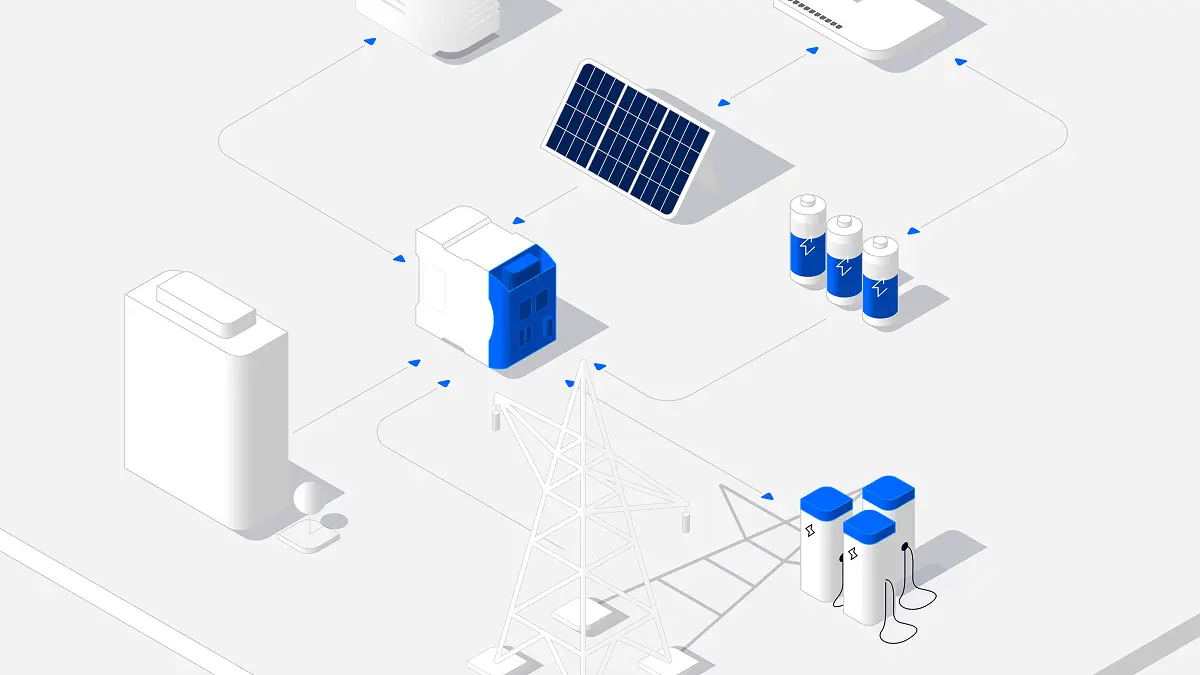
Through PowerFlex EV Load Aggregation, electric vehicles serve as energy storage assets and provide energy services such as demand response, dynamic rate optimization, and grid constraint management.
We work with charge management systems at thousands of sites to create flexibility for the distribution grid. Our platform can manage both unidirectional smart charging to incentivize load shifting (V1G) and bidirectional vehicle-to-grid chargers that export power from EV batteries to the grid (V2G).

Listen
- Receive signals from utilities or market programs

Optimize
- Create individualized charging plans that are optimized to the signal and to vehicle mobility needs

Communicate
- Engage with EV fleet charge management systems and residential chargers across a service area

Aggregate
- Aggregate the response to provide essential grid services, including load reduction and export

Flexible Interconnection (FIX)
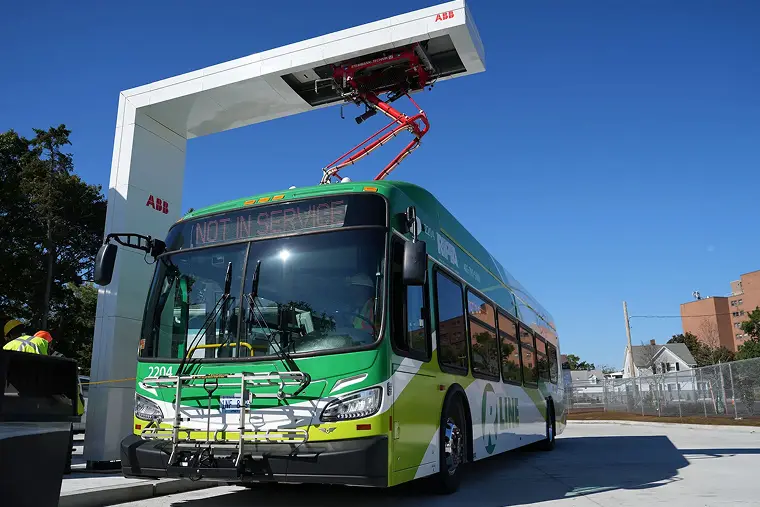
PowerFlex's Flexible Interconnection (FIX) services help grid operators and electric utility providers support reliable EV fleet charging in constrained distribution systems.
A flexible interconnection allows EV charging to safely exceed the capacity of an electric service panel and/or utility infrastructure limitations within agreed-upon operating parameters.
This means utilities can install necessary grid components with greater ease, and customers can avoid years-long delays and potentially expensive grid upgrades.
Trusted VGI deployments





Explore more


Frequently Asked Questions
