Massachusetts V2X Demonstration Program Moves into Installation Phase
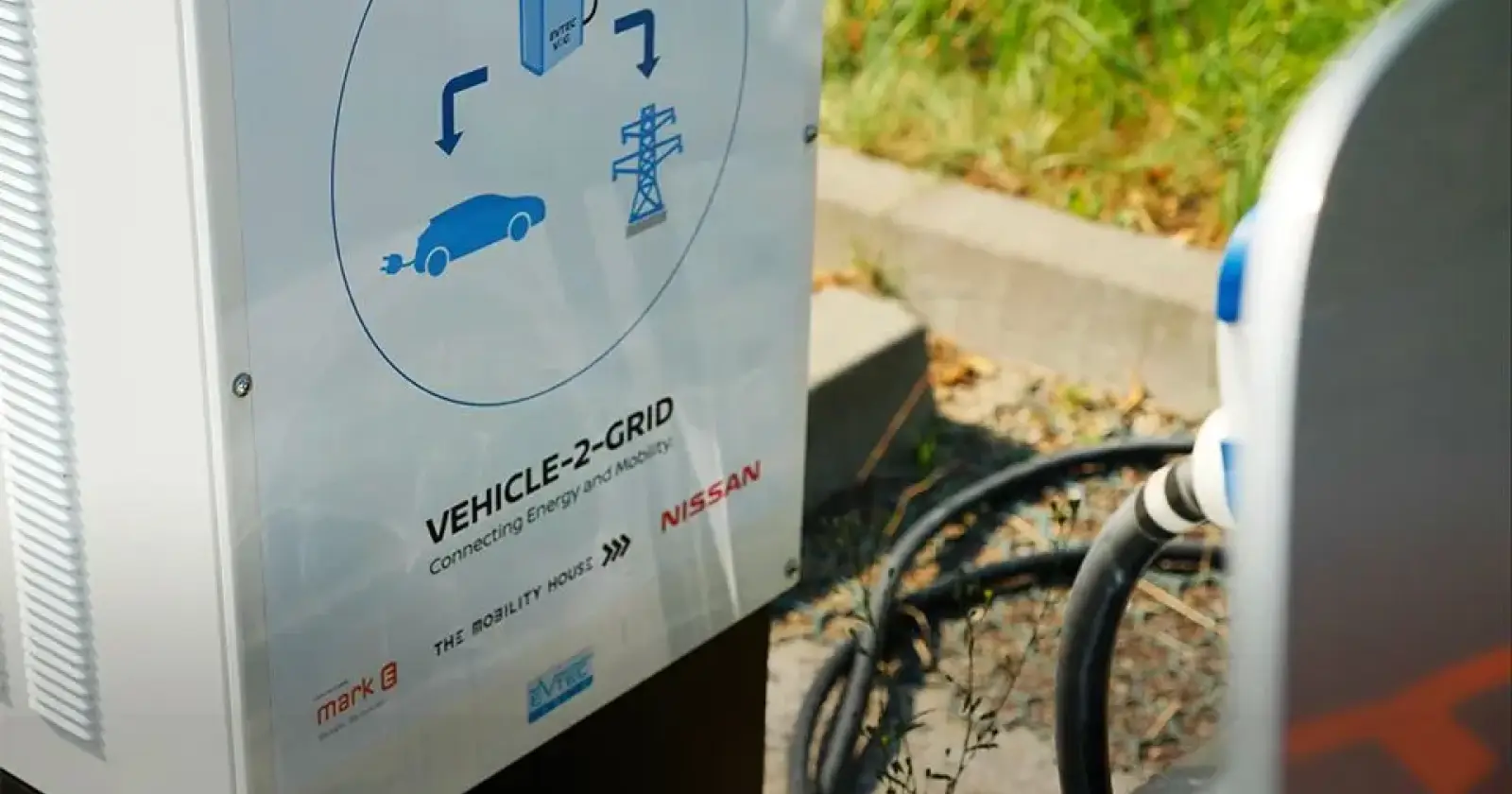
The Massachusetts Vehicle-to-Everything (V2X) Demonstration Program is a groundbreaking initiative led by the Massachusetts Clean Energy Center (MassCEC), in collaboration with PowerFlex and Resource Innovations, to deploy bidirectional electric vehicle chargers across the state and demonstrate their capability to provide flexibility benefits to the electrical grid, all within a two-year program cycle (2025-2026). As of August 2025, the program has completed the technology qualification phase and is finalizing its selection of participants. This update will provide a brief summary of the program scope and objectives, developments to date, work still to come, and initial learnings.
Program Overview
This program is unique in its statewide scope, in the comprehensive funding model that makes it free to all participants, and in how it standardizes technology and implementation across multiple vehicle and charger types.
In 2024, the Electric Vehicle Infrastructure Coordinating Council awarded MassCEC $38 million to increase access to charging infrastructure for various sectors. Of that, $6.3 million was dedicated to the MassCEC V2X Demonstration Program. As the program grantees, PowerFlex and Resource Innovations will use this funding to deploy up to 100 bidirectional charging systems across residential, commercial, and school-district sectors.
The program, which represents one of the largest state-led V2X initiatives in the U.S., will activate participants’ electric vehicles as mobile energy storage assets, collectively totaling a targeted 1.5 megawatts (MW) of new energy storage capacity across Massachusetts. V2X is shorthand for Vehicle-to-Everything, an umbrella term that encompasses a variety of bidirectional charging use cases. These include Vehicle-to-Grid (V2G), in which power is discharged from an EV to the electrical grid for some form of compensation, and Vehicle-to-Building (V2B), in which a vehicle's battery acts as a backup power source for a facility.
Here’s the program timeline:
- Technology Qualification: January – April 2025
- Application Period: April – July 2025
- Participant Selection: June – September 2025
- Charger Installation: August 2025 – June 2026
- Charger Operation & Data Collection: January – December 2026
- Publication of Public-Facing V2X Guidebook: December 2026
The program is completely free of charge to participants. Benefits for selected participants include:
- Bidirectional charger with warranty
- Design & engineering work
- Installation of charger
- Interconnection fees
- For fleets: Charging management software from PowerFlex, including subscription & service for five years
Eligible Vehicles & Hardware
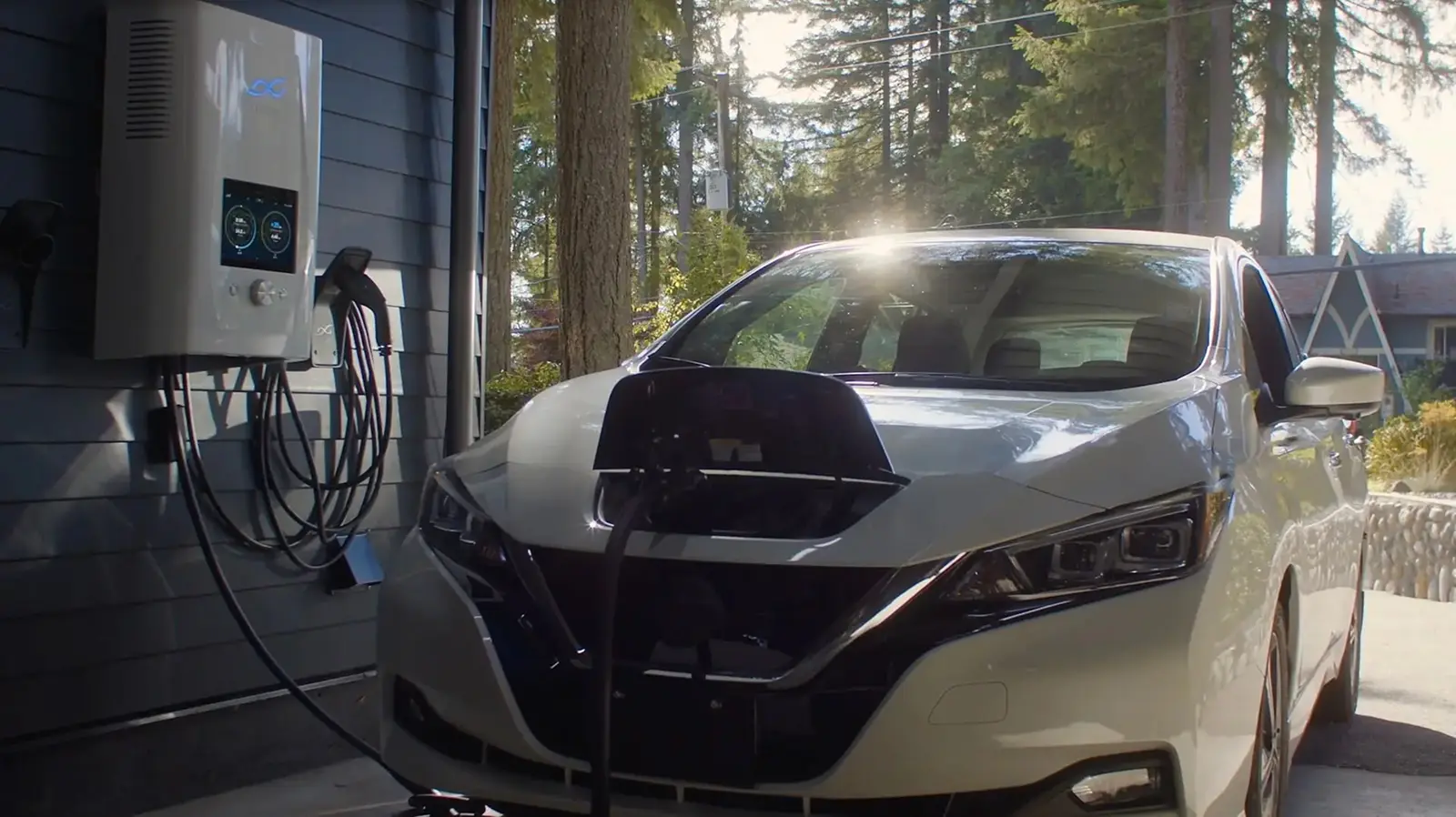
One of the milestones in the program's first phase was to qualify the charging technology to be included. To be eligible, the equipment must meet the following criteria: UL1741-SB certification (achieved or on track to achieve before charger operation), ability to discharge from an EV while grid-parallel, commercial availability, and compatibility with commercially available EVs. The program team incorporated these requirements as a part of signed memoranda of understanding with the bidirectional charger manufacturers to confirm their eligibility and participation in the program. As one of the first state-wide V2X program in the U.S. to operate across multiple utility jurisdictions with multiple hardware providers, this step was key in securing our interoperability goals. As part of the agreement, electric vehicle supply equipment (EVSE) partners also agreed to share data from charge and discharge sessions. These eligible models of bidirectional chargers include:
Residential Chargers (Split-Phase):
- dcbel Ara Home Energy Station
- Wallbox Quasar 2 with Power Recovery Unit
- Sunrun Home Integration System with the Ford Charge Station Pro
Commercial Chargers (3-phase):
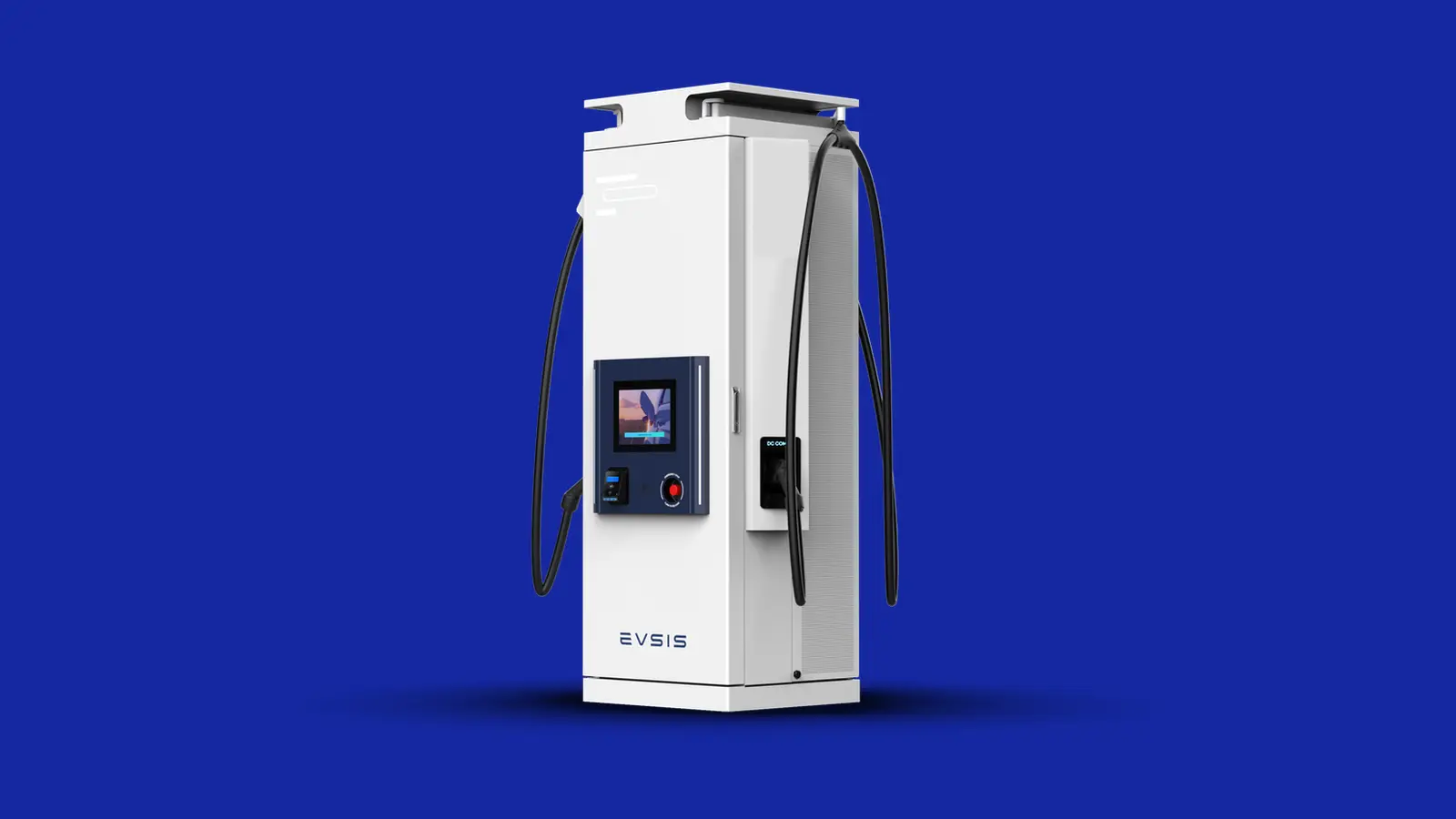
- Tellus 20/30/40/60 kW V2G DC Fast Chargers
- InCharge ICE-22/44/66kW V2X Chargers
- Heliox 44kW V2G Charger
To be eligible, participants must own an EV(s) or have plans to purchase at least one this year. Funding for vehicles is not available in the program. See the chart below for the full set of eligible vehicles and compatible hardware.
Eligible Light-Duty Electric Vehicle List*
*Updated February 2026
Eligible School Bus & Commercial Vehicle List
The following list of eligible school bus models are compatible with some or all of the selected commercial chargers: Heliox 44kW V2G; InCharge ICE-22, ICE-44, and ICE-66 V2X; and Tellus Power Green V2G DC chargers.
August 2025 Program Status and What’s Ahead
As of July 31, 2025, the program application period has closed and the team is finalizing participant selection for the program. Project partners B2Q and Voltrek have begun site evaluations, designs, and installation pre-work for each selected participant.
One key goal of the program is to identify V2G value streams available to residential, fleet, and school-district customers in the state of Massachusetts. These potential value streams vary across customer classes and utility service territories. The program will enroll participants in demand response programs, such as Connected Solutions, or other opportunities for grid services for the duration of the program.
Once enrolled, participants will have the opportunity to participate in V2G events, typically called during summer months to support the grid when demand is high. Vehicle owners will receive a notification before the start of an event and will have the option to participate or opt out. During an event, the vehicle will begin to discharge power if the following criteria are true: the vehicle is plugged in, the owner does not opt out, and the vehicle state of charge is above the owner-designated minimum required for participating in the event.
PowerFlex commits to deliver commercial-grade support to both residential and commercial participants in this program to prioritize the core experience of reliable charging, ensuring mobility needs are continually met without compromise. Participation in V2G events will be compensated by the utility based on vehicle participation data tracked by PowerFlex.
One of the primary goals of the MassCEC V2X Demonstration Program is to move fast and gather data and learnings to inform the larger utility industry. These insights will be compiled into a V2X Guidebook that will be made publicly available to inform future programs in Massachusetts and elsewhere.
Initial Learnings: Customer Experience & Outreach
We have already learned a lot while engaging with customers as a part of this program:
Achieved full enrollment goals through a multichannel marketing and outreach effort
This indicates a high level of interest and demand among early adopters for V2G in the home. We also credit the two-phase application that first included an “Interest Form” to capture early interest at the announcement of the program. Despite not having the comprehensive product details and eligibility criteria that was part of the full application, the feedback was electrifying — with several hundred responses.
Concerns about V2G impact to vehicle warranty is a sticking point
Customers had many questions about how bidirectional charging would impact their vehicle warranties, and every vehicle manufacturer had different terms and conditions. This created a communications challenge for PowerFlex as the program technology operator to ensure each vehicle owner understood long-term impacts.
Lack of technology interoperability is a challenge
Customers want to know that the charger they are installing in their home would be compatible if they buy a new car or have a second car of a different model. Current bidirectional residential charging systems only operate with a single brand; this limited interoperability risks the quality of the customer experience and makes it difficult to justify the investment in the charger.
Initial Learnings: Technology & Market
As the first implementation of a state-wide V2G program that operates across multiple utility service areas, and with multiple brands of vehicles and chargers, we have gained unprecedented insight into the state of vehicle-to-grid technology and the market.
Growing V2X options
The options for bidirectional EVs and charging stations are growing. This program showcased what is currently commercially available with the required functionality for interconnection and grid-parallel V2G operation. The program installation deadlines created a cutoff for what can be included for the program, but we expect a growing number of EVs and EVSE to enter the market during the program timeframe.
Interoperable school bus charging ecosystem
The electric school bus market has a relatively high level of interoperability with open communication protocols, in which most vehicle models are compatible with most of the available EVSEs. This creates an inclusive environment based on open standards, reducing the risk of stranded assets and allowing for more product choices for fleet operators. In contrast, many passenger vehicle manufacturers have created exclusive partnerships with EVSE providers, creating proprietary ecosystems in which aggregators are either barred from integration or have to pay for a license.
Limited availability of bidirectional-capable commercial vehicles and chargers
It was challenging to find solutions for the commercial fleet segment. Very few commercial trucks, vans, pickups and other heavy/medium-duty EVs have V2G capability. There is also a gap in the bidirectional EVSE market; most EVSEs are either low-power, suitable for residential applications (split-phase), or high-power to serve commercial buildings (3-phase), with no mid-range offering for light-duty fleets.
Data sharing adds contracting complexities
In order to create an inclusive, brand-agnostic program, and serving as the program’s software aggregator and one of the program administrators, PowerFlex had to play a critical intermediary role in securing agreements with vehicle and charger manufacturers. This included significant time and contracting to establish the details of how data would be standardized and shared.
Initial Learnings: Installation & Interconnection
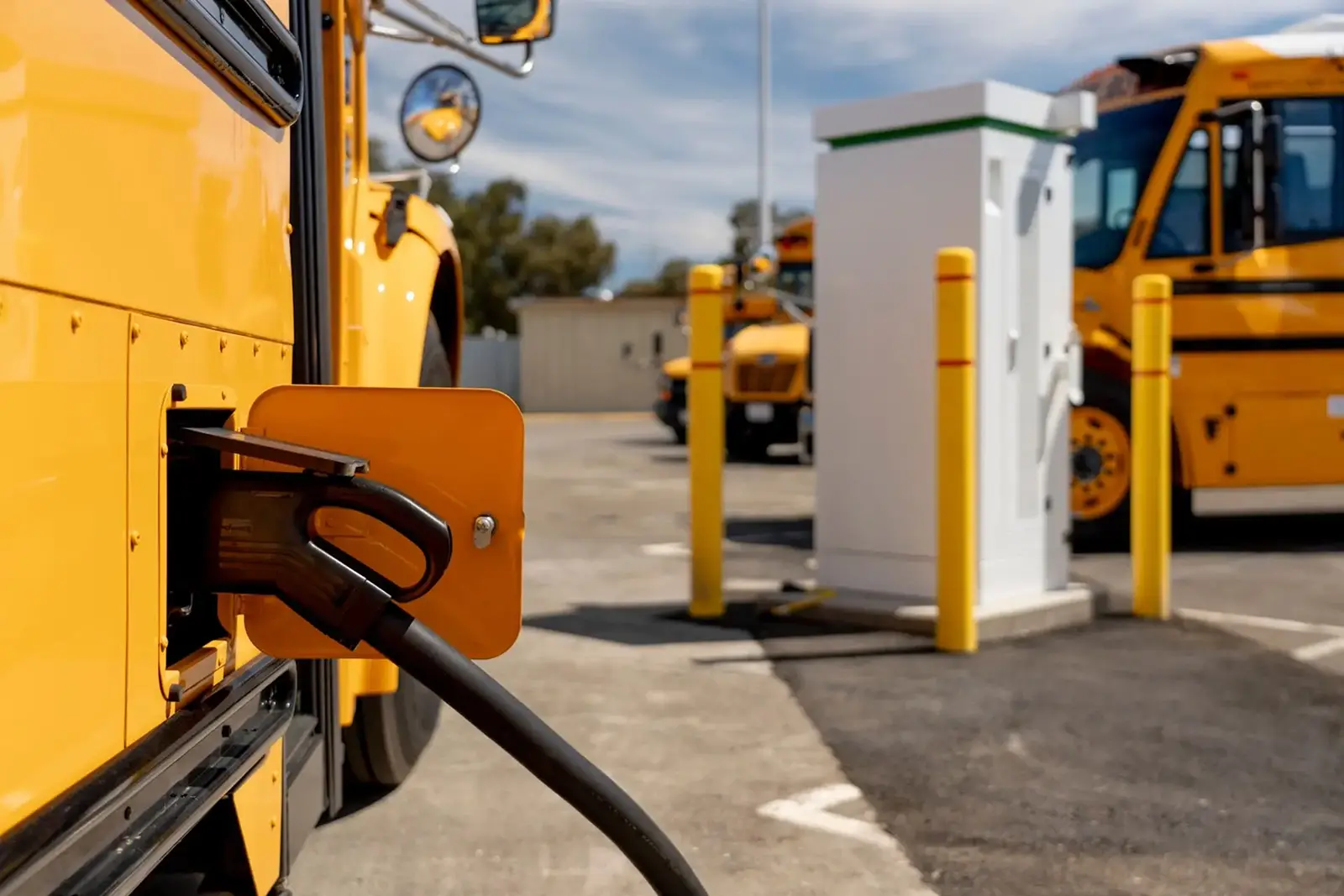
Preparing for the installation of these emerging bidirectional technologies has led to early learnings when it comes to integrating the assets into the electric grid.
Engaging qualified stakeholders early has led to early wins
Throughout the program implementation thus far, the distribution utilities have been highly collaborative. This is due, in part, to the statewide program structure, which has been valuable to quickly implement the latest developments in V2X technology, identify common challenges across utility territories, and incentivize utility partners to engage with lower risk. It has also been very helpful to have experienced installers on the project teams with existing relationships and familiarity with utility requirements and processes. And, as always, it has been best practice to engage in early conversations with the utilities to streamline installation and interconnection.
Ongoing conversations about net-energy metering integrity
Now that V2G is being implemented, utilities are actively engaged in deciding how to treat electrons from batteries not charged with solar, with PowerFlex helping facilitate discussions regarding the Massachusetts V2X program, as well as programs in other states.
Integrating multiple Distributed Energy Resources (DERs)
Many customer-applicants have existing EV, solar, and battery systems that are enrolled in existing and overlapping programs for EV and DERs. As V2G leverages an EV to act as a stationary battery, it can be confusing to navigate where a V2G system fits into existing market program structures. Additionally, these existing systems can complicate installations and may increase installation cost.
Higher capacity projects trigger delays that challenge timelines
For certain service areas, projects exceeding 200 kilowatts (kW) are subject to additional study, which often takes several months. This threatens the ability of some school and fleet customers to participate in the program, given the program timelines and budget. PowerFlex worked with utilities and customers to design sites that would avoid this burdensome additional study by collaborating upfront.
Powering the Future of V2G
We are happy to provide these insights as transferable knowledge for utility providers and state program administrators to accelerate the development of V2G and fully realize its potential. To learn more about the technology and PowerFlex's role, reach out to one of our experts.