Boost Property Value Without CapEx: How Solar Works for Commercial Real Estate
In commercial real estate, property value ultimately comes down to revenue, as even modest increases in net operating income (NOI) can have an outsized impact on valuation. For example, assuming a 5% capitalization rate, every additional dollar of NOI can translate into $20 of asset value.
This multiplier effect is why forward-thinking portfolio managers are exploring new, low-risk ways to enhance income streams — and why solar energy is gaining traction as a strategic asset.
While solar has long been associated with sustainability goals, it’s also a strong financial tool. Solar roof or land lease structures are enabling property owners to unlock new revenue without capital expenditure, while simultaneously improving tenant satisfaction and long-term asset performance.
Solar Roof/Land Leases: A No-CapEx Path to Higher NOI
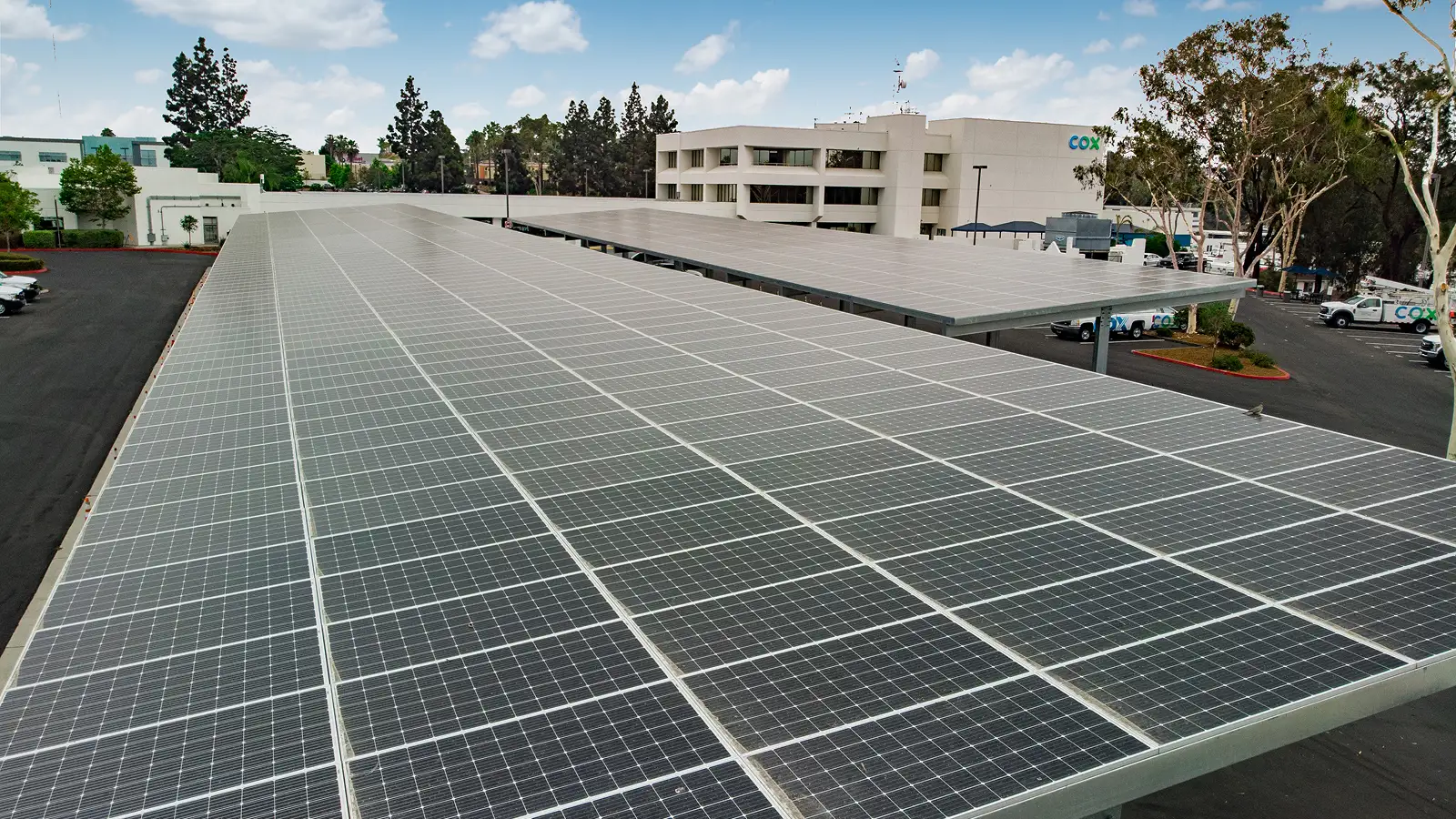
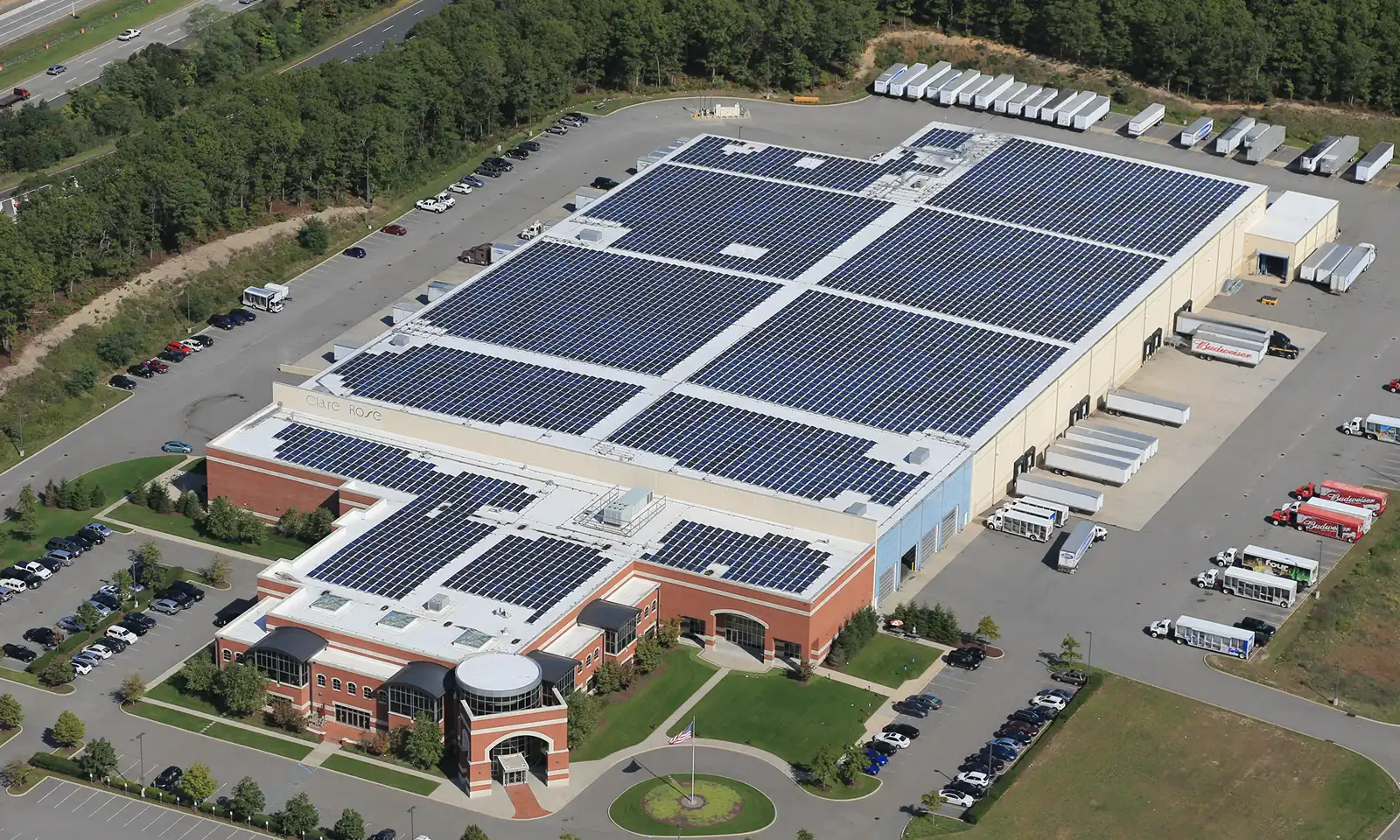
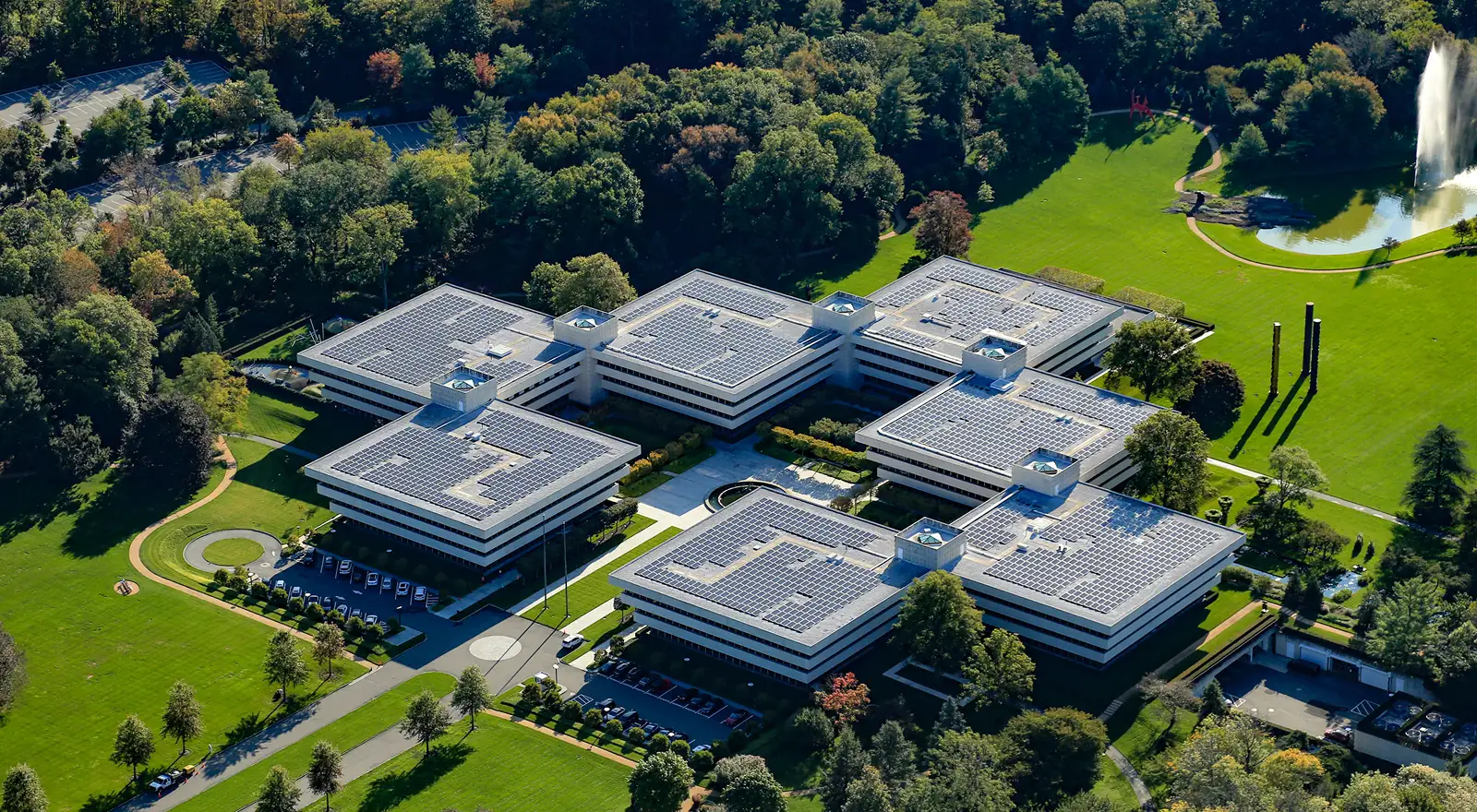
A solar roof/land lease is a simple concept with powerful implications. Instead of purchasing and operating a solar energy system, a property owner leases rooftop or land space to a solar developer, who assumes responsibility for financing, installing, and maintaining the system. While the property owner or REIT isn’t entitled to the energy generated, they receive lease payments from the developer over the term of the agreement.
This model offers several advantages:
- No upfront capital investment (CapEx): The developer covers all project costs, preserving capital for core business priorities.
- Predictable income stream: Lease payments are typically fixed or contractually escalated, creating stable, long-term revenue.
- Minimal operational burden: The developer manages system performance, maintenance, and compliance.
In effect, property owners are monetizing underutilized rooftop or land space without taking on additional risk or complexity.
The Valuation Multiplier
This is where the impact on valuation becomes clear. Commercial real estate value is commonly calculated using the formula:
Net Operating Income ÷ Capitalization Rate = Property Value
By introducing a solar roof/land lease, property owners increase NOI through incremental lease income. And because cap rates are applied to total NOI, even relatively small additions can produce significant gains in property value.
For example, if a lease generates $100,000 in annual income and the property is valued at a 5% cap rate, that translates to approximately $2 million in added asset value. Importantly, this value is achieved without deploying capital or increasing operating expenses — a rare combination in real estate investment.
Additionally, because solar roof/land lease revenue is typically independent of tenant occupancy, it provides a layer of income diversification. This can be especially attractive in periods of market volatility or shifting tenant demand.
Stable, Long-Term Income
What makes solar roof/land leases especially compelling is their longevity and reliability. Unlike rent, which varies with tenants and market shifts, solar lease payments are contractually set, often for 15 to 25 years. If the property is sold, the lease may be transferred to the new ownership.
This stability combined with flexibility can strengthen underwriting assumptions and make assets more attractive to investors. In some cases, properties with long-term contracted income streams may even benefit from more favorable cap rates, further amplifying valuation gains.
Moreover, because the solar developer assumes operational responsibility, asset managers avoid risk. This hands-off approach aligns well with REIT operating models, where efficiency and scalability are critical.
A Strategic Approach to Portfolio Optimization
For REITs managing large portfolios, solar leases offer a scalable strategy for enhancing value across multiple assets. Because the model does not require capital investment, it can be deployed broadly without competing with other investment priorities.
What's more, solar installations can contribute to broader portfolio-level goals, including emissions-reduction targets and sustainability reporting requirements. This alignment between financial performance and ESG outcomes is increasingly important for institutional investors and stakeholders.
As competition tightens, properties that integrate renewable energy solutions are likely to stand out — not only for their environmental benefits, but for their ability to generate reliable and long-term income.
Alternate Approach: Enhancing Tenant Appeal Through Direct Ownership
For entities with available upfront capital, installing and retaining ownership of a solar energy system is always an option. In addition to being eligible for financial incentives and tax credits, direct solar ownership can influence property performance through tenant demand.
As more companies adopt ESG commitments, access to renewable energy is becoming a key consideration in site selection. This puts properties with solar arrays already installed at an advantage. Through a power purchase agreement (PPA), a tenant can agree to “buy” the generated energy from the system owner, typically below market rate.
This offers several benefits to tenants:
- Reduced electricity costs: Onsite generation can lower utility expenses, particularly when paired with structured PPAs.
- Progress toward sustainability goals: Tenants can align their operations with corporate carbon-reduction targets.
- Improved brand positioning: Occupying a building powered by renewable energy can enhance corporate reputation.
For property owners, these tenant benefits can translate into higher occupancy rates, longer commercial lease terms, and the ability to command competitive rents. This means solar is not just an income generator; it’s also a differentiator in increasingly competitive leasing markets.
PowerFlex: A Partner in Value Creation
Executing a successful solar strategy requires expertise across development, financing, construction, and long-term asset management. PowerFlex provides a comprehensive, end-to-end solution designed specifically for commercial property owners and REITs.
From initial site assessment and system design to permitting, installation, and ongoing operations, PowerFlex manages every aspect of the process. This integrated approach ensures projects are optimized for both financial performance and operational efficiency.
By leveraging solar roof or solar land leases and streamlined cleantech solutions, PowerFlex helps property owners unlock new revenue streams, enhance tenant appeal, and increase overall asset value — without the need for upfront investment.
Take the next step by contacting a PowerFlex expert to discuss your options.