

Ford Embraces EV Charging at Automotive Research Center
Established in 1903 by Henry Ford, the Ford Motor Company is a cornerstone of the global automotive industry. The company revolutionized modern manufacturing by introducing the moving assembly line and the Model T, effectively democratizing vehicle ownership for the general public. Today, Ford remains a leading multinational manufacturer, producing a diverse range of commercial and consumer vehicles under the Ford and Lincoln brands while expanding into electric and autonomous technologies.
The Challenge
Help Automaker Deploy Dependable Onsite EV Charging
Ford is committed to reducing emissions to create a sustainable automotive industry, committing $22 billion to electric vehicle technology and infrastructure. The company sought a charging solution at its own research facility in Palo Alto, California that could accommodate EV-driving employees.
PowerFlex’s Solution
Smart EV Chargers Optimized With Adaptive Load Management
INSTALLATION TYPE
- EV Charging
INSTALLATION SIZE
- 28 Level 2 EV Chargers
LOCATION
- Palo Alto, CA
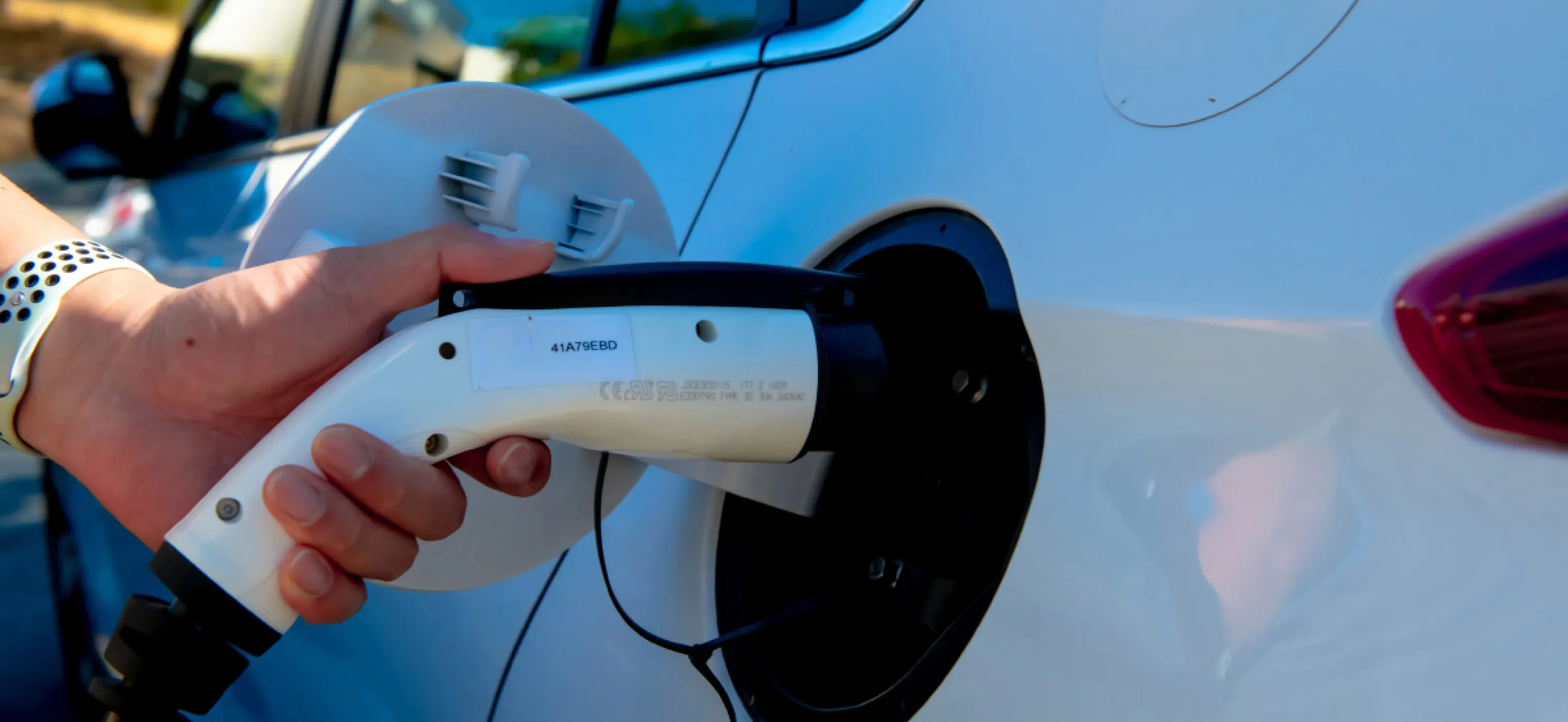
Ford partnered with PowerFlex to install 28 Level 2 chargers at the facility, providing EV owners with a convenient workplace charging option. The installation leveraged PowerFlex's Adaptive Load Management® (ALM) technology to maximize utilization while keeping costs down.
In a typical EV charging model, every station operates at full power, which can lead to high infrastructure costs as well as steep peak demand charges levied by utilities. PowerFlex’s ALM approaches EV charging differently. Patented algorithms deliver reliable EV charging throughout a network by controlling stations individually, in real-time, based on charging demand, building load, onsite generation, and other variables. This makes for a more balanced energy draw across the network, eliminating demand spikes.
By optimizing the total power available, ALM can power 6 times the number of EV charging ports as a traditional system while enabling businesses to shave as much as 60% off the cost of electrical system upgrades and peak demand charges.