Battery Energy Storage and Linear Generation Help Data Centers Cut Costs and Ease Grid Pressure
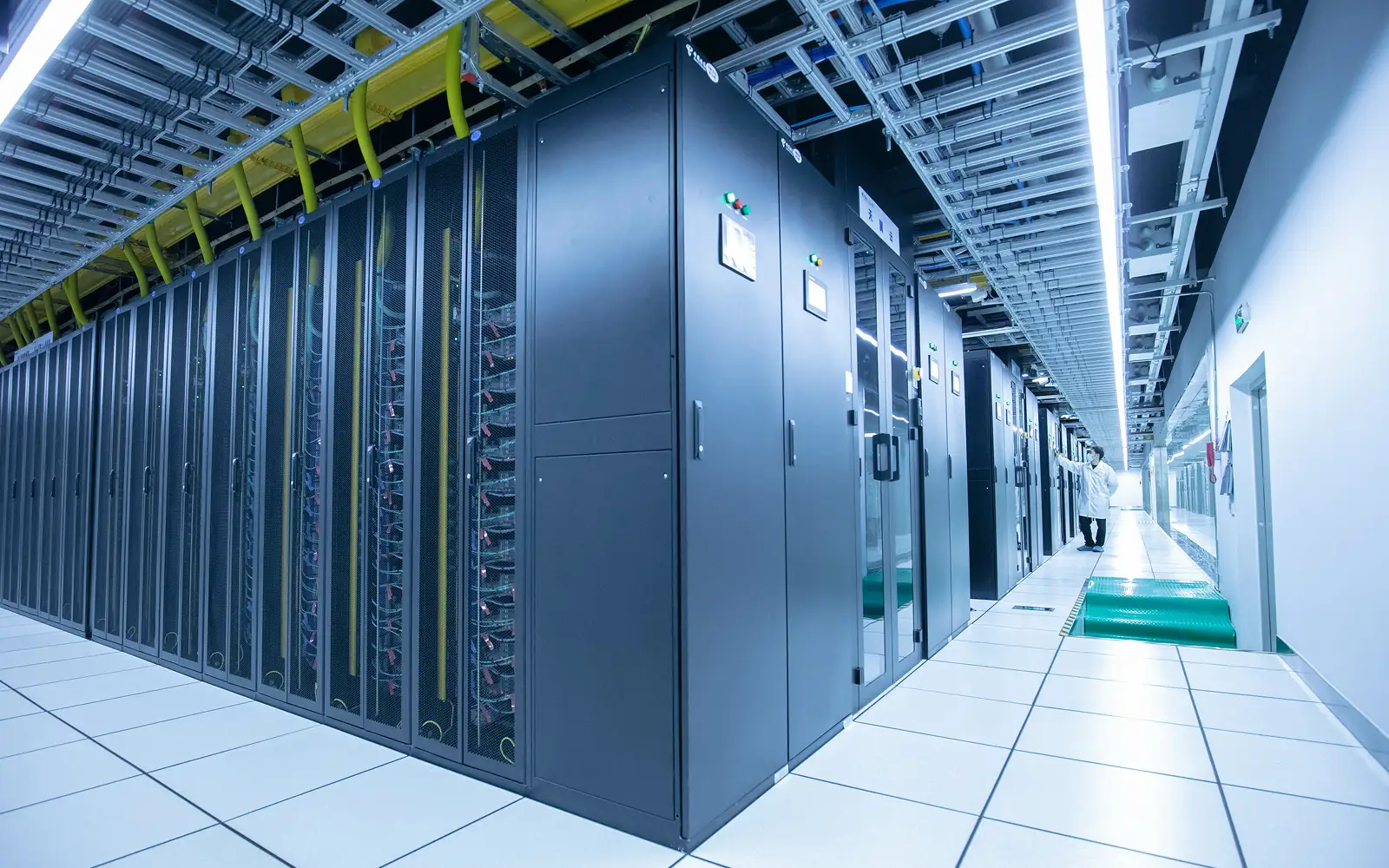
Data centers are the backbone of the digital economy, and this distinction comes at a steep cost. The industry’s electricity consumption is surging, utility bills are climbing, and public scrutiny over data centers’ impact on the power grid is intensifying.
Onsite clean technology solutions can help address these concerns. By pairing battery energy storage with dispatchable, low-emission linear generators, data centers can rapidly expand without depending on utilities, deploy cost-saving strategies, and decrease grid stress — leading to significant financial and reputational benefits.
Large Power Demand Drives Challenges
According to the Environmental and Energy Study Institute, there were more than 5,400 data centers in the U.S. as of March 2025. By 2030, power demand is forecasted to soar to 130 gigawatts, the equivalent of powering more than 90 million homes.
Artificial intelligence, machine learning, and streaming services are among the primary drivers of this surge. As computing needs expand and power grid infrastructure struggles to keep up, data centers are increasingly viewed by ratepayers, regulators, and the public as a strain on shared energy resources — one that drives up electricity costs for everyone.
This perception is already creating real regulatory and reputational risk. Communities are pushing back against new data center developments, citing concerns about grid reliability and rising utility rates. For an industry that depends on continued expansion, that resistance is slowing growth and complicating site selection.
Reducing Demand and Increasing Reliability With Energy Storage
Battery energy storage gives data centers a way to manage power on their own terms. By discharging stored energy during peak periods, batteries reduce pressure on the grid and lower demand charges that are set when the grid is at capacity.
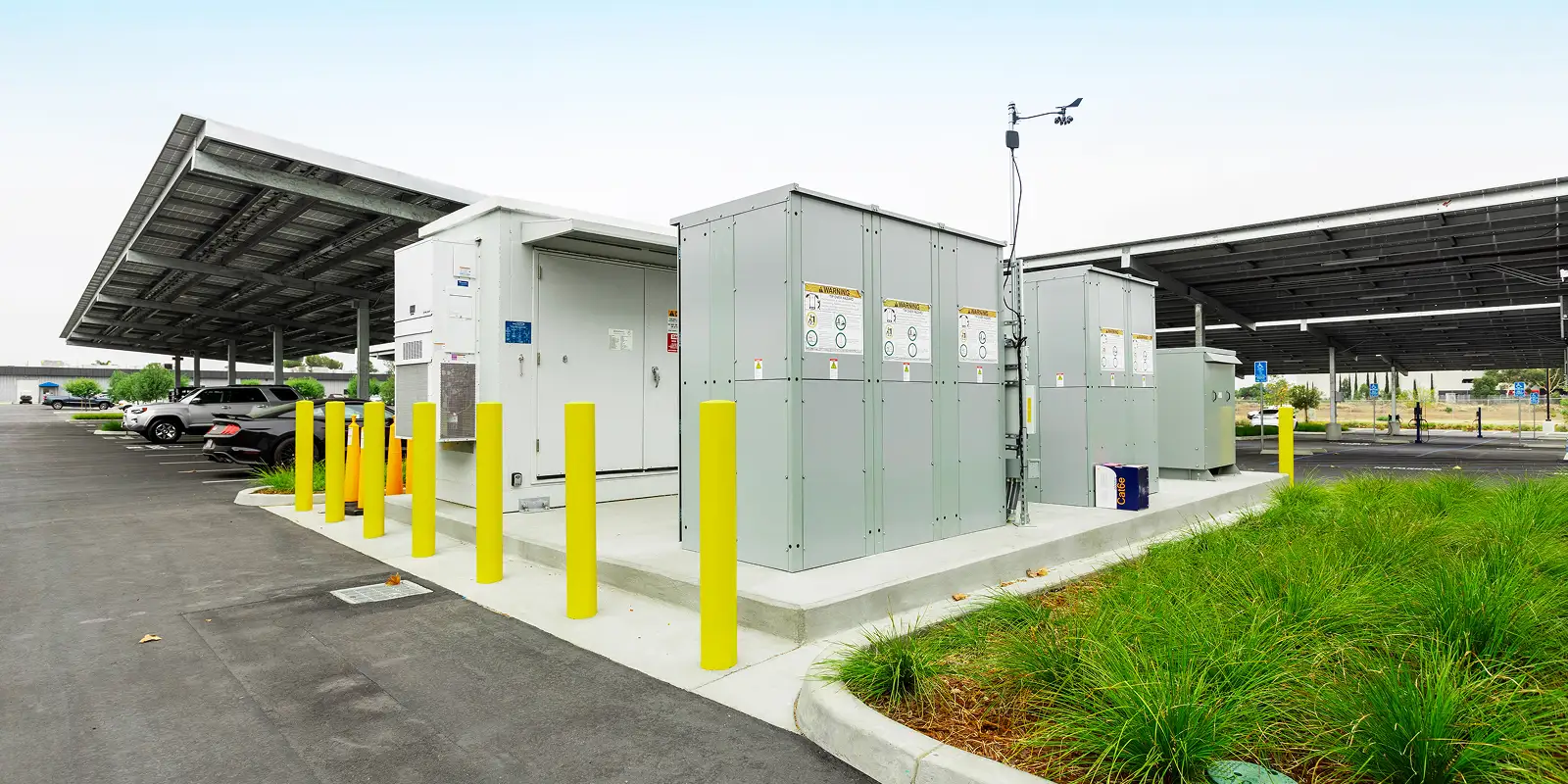
They also create room for incremental load growth, allowing facilities to expand capacity or accommodate AI training operations without waiting for grid upgrades. And by smoothing out fluctuations, batteries provide the power quality needed to guard against grid instability and potential utility brownouts. Batteries could even go as far as providing power directly to the grid in support of grid stability.
This isn’t just good optics. It’s a tangible, measurable reduction in the load placed on vulnerable utility infrastructure — transforming a data center from a pure consumer of grid electricity into a facility that actively manages its own energy footprint.
Additional Revenue Through Demand Response
The financial case extends beyond cost-avoidance. Depending on location, data centers with battery energy storage may be eligible to participate in demand response programs, where businesses are compensated for dispatching stored energy to the grid during periods of high demand, turning a battery system into a revenue-generating asset.
State-based incentive programs can further reduce the overall investment, lowering per-kilowatt-hour electricity costs and helping most system owners see a full return on investment.
Resilience With Energy Storage and Linear Generators
Storage can dramatically reduce a data center’s grid draw for several hours, but most facilities require added predictability and long-term resilience when it comes to onsite generation. That’s where a linear generator (L-gen) comes in.
PowerFlex’s L-gen offering is built around a partnership with Mainspring Linear Generator, which converts multiple fuel sources into electricity through a low-temperature, flameless reaction rather than combustion. With only two moving parts riding on a cushion of air, magnet-driven oscillators and copper coils turn linear motion directly into electricity, delivering high efficiency, ultra-low emissions and exceptional reliability with minimal maintenance.
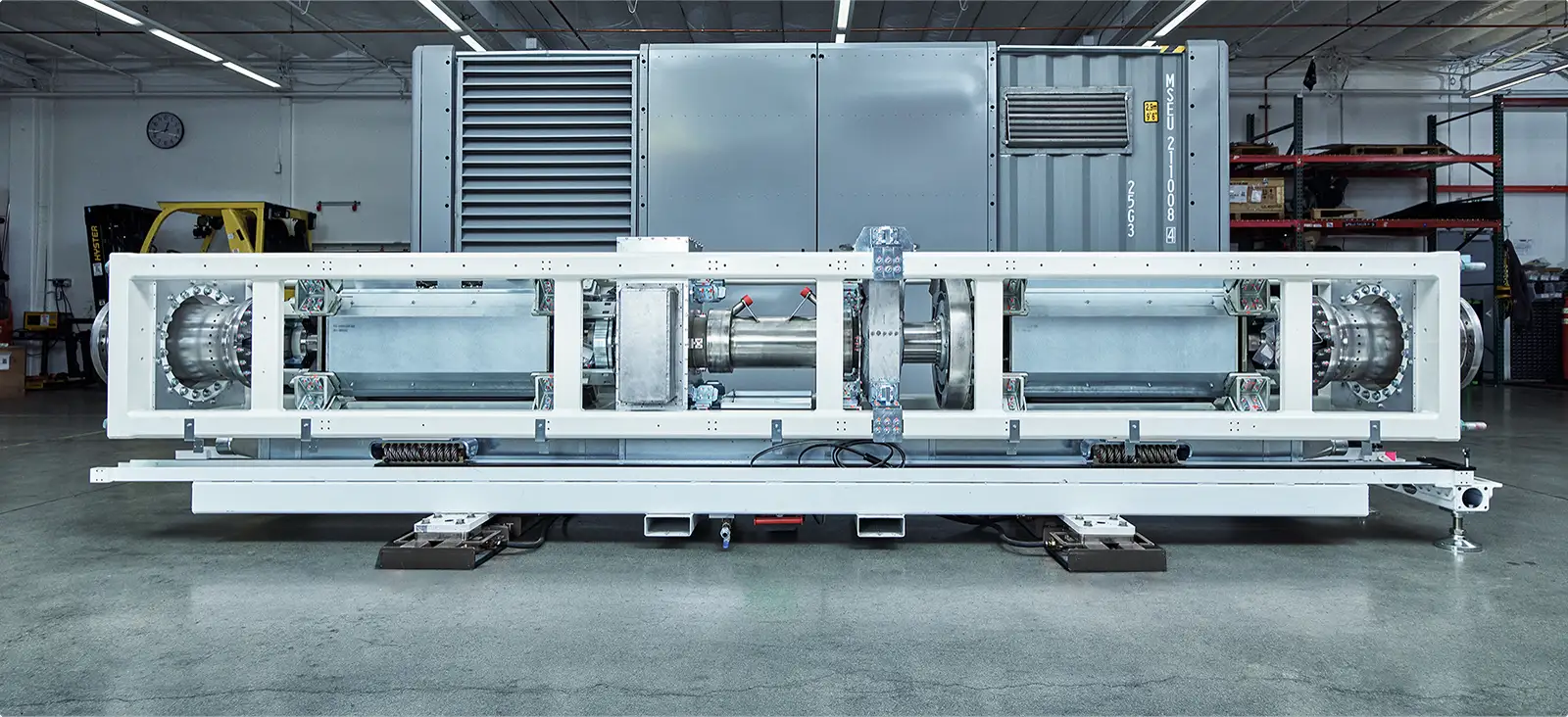
Crucially, linear generators also make storage stronger. Operating in a load-following mode, they ramp up and down to fill in generation around battery dispatch and fluctuations in facility energy consumption. The result is a cleaner, more resilient energy mix that lowers total cost of ownership, eases pressure on shared infrastructure, and strengthens an operator’s reputation as a responsible neighbor.
For data center operators, the benefits stack up quickly:
- Utility Savings: Generating power on site at a cost below utility rates lowers operating expenses and eliminates exposure to unpredictable rate increases.
- Operational Resilience: With high-availability, fully dispatchable output, facilities can form “islanded” microgrids that stay online through grid disruptions.
- Fuel Flexibility: Instantaneous switching between any gaseous fuel without downtime offers multiple fuel redundancy options.
- Low Emissions: A flameless, non-combustion reaction sharply reduces carbon and NOₓ emissions and offers a seamless path to zero-carbon fuels like hydrogen.
- Speed to Power: Factory-built, modular units can be permitted and deployed in as little as 12 to 18 months, bringing additional capacity online years ahead of constrained utility interconnections.
A Smarter Energy Strategy for a Competitive Market
Currently, the majority of data centers’ electricity comes from fossil fuels. While grid modernization is underway, it’s not happening quickly enough to match the industry’s rapid expansion, creating an emissions gap that raises both reputational and regulatory risk.
For operators with net-zero or ESG targets, pairing storage with cleaner linear generators provides progress toward low-carbon energy procurement while keeping facilities reliably powered. And for those focused purely on the bottom line, the combination of utility offset, dispatchable generation, and incentive programs makes the financial case compelling on its own.
The data center sector isn’t slowing down. The question is whether operators will continue absorbing rising energy costs and growing public resistance or invest in onsite clean energy that addresses both challenges simultaneously.
Get Started With PowerFlex
PowerFlex manages the full onsite clean energy project lifecycle, from site validation and development through engineering, construction, and long-term asset management. Our specialists identify and secure high-value tax credits, rebates, and other financial incentives, while our energy acceleration platform PowerFlex X™ optimizes onsite generation, battery dispatch, and electric vehicle charging in real time.
Ready to explore how battery energy storage and linear generators can reduce costs and strengthen your data center’s energy strategy? Contact a PowerFlex expert today to get started.